
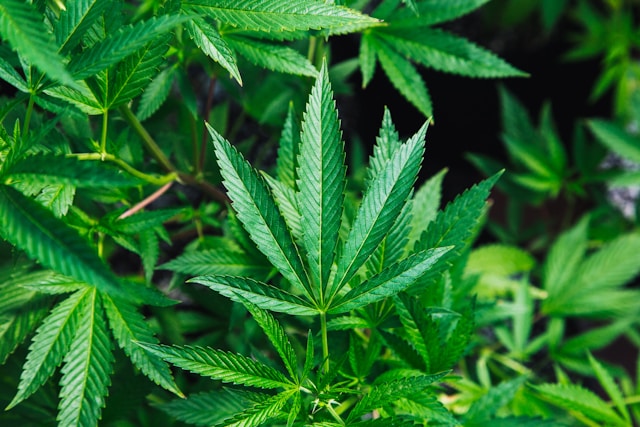
Hemp (Cannabis sativa) is a versatile plant, with potential to be used in fields like medicine, textiles, construction, and bio-fuels. Hemp can be used to make apparels and can also be used in paper and packaging industries. Cosmetics and personal care industries have also devised use of hemp in their products.
Tapping hemp’s vast potential is legally difficult, because the plant is also abused as a drug.
“Industrial Hemp” is a distinction used for a variety of the Hemp plant with Tetra-Hydro Cannabinol (THC) content below 0.3 per cent. THC is the compound responsible for intoxicating effects of marijuana, and a low value in Industrial Hemp makes it unsuitable for misuse as a drug.
Industrial Hemp is a climate-resilient crop that requires 50 percent less water than traditional fibre crops like cotton. It thrives in soils where other crops struggle.
It contains chemicals like Cannabidiol (CBD) and Terpenes, which have anti-inflammatory, analgesic, and other therapeutic qualities[1]. Flavonoids in hemp have antioxidant and anti-inflammatory properties.
Hemp seeds have nutritional values, as they are a source of plant-based protein. They contain essential amino-acids, like omega-3 and omega-6 fatty acids. These chemicals are beneficial for brain and heart health. Additionally, seeds are a good source of fibre, vitamin E, and other nutrients like magnesium, phosphorus, potassium, zinc, and iron.
Recognising the plant’s economic value, other states have taken initiatives to promote hemp’s industrial usage. Uttarakhand government has granted license to Indian Industrial Hemp Association (IIHA) for cultivation of Industrial Hemp.
Growing demand for hemp products and the largely untapped market could open up new opportunities for Himachali farmers. HP government is taking a cautious approach to the controlled cultivation of hemp.
Reference to use of hemp drugs is found in ancient Indian literature. it is called as “bhanga”, “indracana”, “vijaya”, or “jaya”. The earliest occurrence of the word “bhang” it is believed to be in Atharva Veda[2].
“Green to Gold” initiative of Himachal government aims to legalise and regulate the cultivation of Industrial Hemp. The aim of the government policy is to use the plant for its medicinal properties, as well as in various other industries. An important aspect of the state government’s policy is the strict mandate ensuring that all Industrial Hemp cultivated in the state must have a THC content below 0.3 per cent.
The government is also planning a pilot project for controlled cultivation of hemp. Once legalised and regulated, hemp production could generate revenue of Rs 1,000–2,000 crore annually in the state.
Institutions like the CSK HPKV, Palampur, and the Dr YS Parmar University of Horticulture and Forestry, Nauni, are conducting pilot studies to develop high-yield, low-THC seed varieties tailored to the Himalayan climate
Organisations like Indian Hempstore, called the “Amazon of Hemp”, is sourcing raw materials not only from Uttarakhand, but also from Solan and Chamba in Himachal Pradesh.
Bibliography
1 , “Industrial Hemp in India: A Booming Botanical Wonder with Endless Potentials“, Food and Scientific Reports 4, 10 (2023), pp. 60-67.
2 , “Use of Hemp Drugs in India“, Indian Medical Gazette (1940).
Photo by Rick Proctor on Unsplash



![Gandhian Thoughts - English [Paperback]](https://sarlapublications.com/wp-content/uploads/2018/11/Gandhian-Thoughts-250x345.jpeg)
![हिमाचल पर्देश का भूगोल - Himachal Pradesh ka Bhugol [Hindi]](https://sarlapublications.com/wp-content/uploads/2019/10/HP_ka_Bhugol_Title-250x322.jpeg)