
Tag: review

  • เคนเคฟเคฎเคพเคšเคฒ เคชเฅเคฐเคฆเฅ‡เคถ เค•เฅ‡ เคœเคจ-เค†เคจเฅเคฆเฅ‹เคฒเคจเฅ‹เค‚ เคชเคฐ เคเค• เคจเฅ›เคฐ

    เคนเคฟเคฎเคพเคšเคฒ เคชเฅเคฐเคฆเฅ‡เคถ เค•เฅ‡ เคœเคจ-เค†เคจเฅเคฆเฅ‹เคฒเคจเฅ‹เค‚ เคชเคฐ เคเค• เคจเฅ›เคฐ

    by

    เคฌเฅ€.เคเคธ. เคšเฅˆเคนเคพเคจ โ€˜เคšเฅ‡เคคโ€™ เคชเฅ€. เค“. เคšเคฟเคŠเคฃเฅ€, เคคเคน. เคฅเฅเคจเคพเค—, เคœเคฟเคฒเคพ เคฎเคฃเฅเคกเฅ€-175048 เคŸเฅ€.เคœเฅ€.เคŸเฅ€. เค•เคฒเคพ เคฐเคพ.เคตเคฎเคพ. เคชเคพเค เคถเคพเคฒเคพ, เค›เคพเคŸ (เค›เคฒเคตเคพเคŸเคจ)

    Contact: 94184-03136 email: [email protected]

    เคนเคฟเคฎเคพเคšเคฒ เคชเฅเคฐเคฆเฅ‡เคถ เคฌเคจเคจเฅ‡ เคธเฅ‡ เคชเฅ‚เคฐเฅเคต เค•เคˆ เคชเฅเคฐเคธเคฟเคฆเฅเคง เคœเคจเค†เคจเฅเคฆเฅ‹เคฒเคจ เคนเฅเค เคนเฅˆเค‚เฅค เคนเคฟเคฎเคพเคšเคฒ เคชเฅเคฐเคฆเฅ‡เคถ เคฎเฅ‡เค‚ เค†เคœเคพเคฆเฅ€ เค•เฅ€ เคšเคฟเค‚เค—เคพเคฐเฅ€ เคงเฅ€เคฐเฅ‡เคงเฅ€เคฐเฅ‡ เคซเฅˆเคฒเคคเฅ€ เคฐเคนเฅ€เฅค เคฌเคนเฅเคค เคฒเคฎเฅเคฌเฅ‡ เคธเคฎเคฏ เคธเฅ‡ เคฏเคนเคพเค‚ เค•เฅ€ เคœเคจเคคเคพ เคธเฅเคฅเคพเคจเฅ€เคฏ เคถเคพเคธเค•เฅ‹เค‚ เค•เฅ€ เคจเคฟเคฐเค‚เค•เฅเคถเคคเคพ, เคถเฅ‹เคทเคฃ, เคนเคฟเค‚เคธเคพ เค”เคฐ เค…เคจเฅเคฏเคพเคฏ เคธเคนเคคเฅ€ เคฐเคนเฅ€เฅค เค•เคพเคซเฅ€ เคœเฅเคฒเฅเคฎ เคธเคนเคจเฅ‡ เค•เฅ‡ เคฌเคพเคฆ เคญเฅ‹เคฒเฅ€เคญเคพเคฒเฅ€ เคœเคจเคคเคพ เค•เคพ เค†เค•เฅเคฐเฅ‹เคถ เคซเฅ‚เคŸ เคชเฅœเคพ เคนเฅˆ เค”เคฐ เคœเคจเคคเคพ เคจเฅ‡ เคถเคพเคธเค•เฅ‹เค‚ เค•เฅ‡ เคตเคฟเคฐเฅ‚เคฆเฅเคง เค†เคจเฅเคฆเฅ‹เคฒเคจ เค•เคฐเคจเฅ‡ เคถเฅเคฐเฅ‚ เค•เคฐ เคฆเคฟเคเฅค เคนเคฐ เค‡เคจเฅเคธเคพเคจ เคฏเคพ เคœเฅ€เคต เคธเฅเคตเคคเค‚เคคเฅเคฐ เคฐเคนเคจเคพ เคšเคพเคนเคคเคพ เคนเฅˆเฅค เคฏเคน เค…เคงเฅ€เคจเคคเคพ เคšเคพเคนเฅ‡ เคธเฅเคฅเคพเคจเฅ€เคฏ เคจเคฟเคฐเค‚เค•เฅเคถ เคถเคพเคธเค•เฅ‹เค‚ เคธเฅ‡ เคนเฅ‹ เคฏเคพ เคซเคฟเคฐ เคตเคฟเคฆเฅ‡เคถเฅ€ เค†เค•เฅเคฐเคพเคจเฅเคคเคพเค“เค‚ เคธเฅ‡เฅค เคนเคฟเคฎเคพเคšเคฒ เค•เฅ‡ เคชเคนเคพเฅœเฅ€ เคฒเฅ‹เค—เฅ‹เค‚ เคจเฅ‡ เคธเคฆเคพ เคนเฅ€ เคฌเคพเคนเคฐเฅ€ เค†เค•เฅเคฐเคฎเค•เฅ‹เค‚ เคคเคฅเคพ เคญเฅ€เคคเคฐเฅ€ เคฆเคฎเคจ เค•เคพ เคตเคฟเคฐเฅ‹เคง เค•เคฟเคฏเคพ เคนเฅˆเฅค

    เคนเคฟเคฎเคพเคšเคฒ เคชเฅเคฐเคฆเฅ‡เคถ เคฎเฅ‡เค‚ เคฏเฅ‡ เคœเคจเค†เคจเฅเคฆเฅ‹เคฒเคจ เคคเฅ€เคจ เคชเฅเคฐเค•เคพเคฐ เคธเฅ‡ เคšเคฒเฅ‡เฅค เคเค• เคตเฅ‹ เคœเฅ‹ เค•เคฟเคธเฅ€ เคตเคฟเคถเฅ‡เคท เคธเฅเคฅเคพเคจ เค•เฅ‡ เคฒเฅ‹เค—เฅ‹เค‚ เคจเฅ‡ เค…เคชเคจเฅ€ เคธเฅเคฅเคพเคจเฅ€เคฏ เคธเคฎเคธเฅเคฏเคพเค“เค‚ เค•เฅ‹ เคฒเฅ‡เค•เคฐ เคšเคฒเคพเคฏเฅ‡เฅค เคฏเฅ‡ เค…เคงเคฟเค•เคพเค‚เคถ เคญเฅ‚เคฎเคฟ, เคญเฅ‚เคฎเคฟ เคฌเคจเฅเคฆเฅ‹เคฌเคธเฅเคค, เคญเฅ‚เคฎเคฟ เคฒเค—เคพเคจ , เคฌเฅ‡เค เคฌเฅ‡เค—เคพเคฐ, เคฐเคพเคœเคพ เคฏเคพ เค‰เคธเค•เฅ‡ เค•เคฐเฅเคฎเคšเคพเคฐเคฟเคฏเฅ‹เค‚ เค•เฅ€ เคฆเคฎเคจเค•เคพเคฐเฅ€ เคจเฅ€เคคเคฟเคฏเฅ‹เค‚ เค•เฅ‡ เค–เคฟเคฒเคพเคซ เคนเฅ‹เคคเฅ‡ เคฅเฅ‡เฅค 9 เคฎเคพเคฐเฅเคš 1846 เค•เฅ€ เคธเคจเฅเคงเคฟ เค•เฅ‡ เค…เคจเฅเคธเคพเคฐ เคตเคฐเฅเคคเคฎเคพเคจ เคนเคฟเคฎเคพเคšเคฒ เค•เฅ‡ เค…เคงเคฟเค•เคพเค‚เคถ เคนเคฟเคธเฅเคธเฅ‡ เคธเคฟเค•เฅเค–เฅ‹เค‚ เคธเฅ‡ เค›เฅ‚เคŸเค•เคฐ เคธเฅ€เคงเฅ‡ เค…เค‚เค—เฅเคฐเฅเคฐเฅ‡เคœเฅ€ เคชเฅเคฐเคถเคพเคธเคจ เค•เฅ‡ เค…เคงเฅ€เคจ เค† เค—เค, เคœเคฟเคธเค•เฅ‡ เคชเคฐเคฟเคฃเคพเคฎเคธเฅเคตเคฐเฅ‚เคช เคชเคนเคพเฅœเฅ€ เคฐเคฟเคฏเคพเคธเคคเฅ‹เค‚ เคชเคฐ เค…เค‚เค—เฅเคฐเฅ‡เคœเฅ‹เค‚ เค•เคพ เคเค•เคพเคงเฅ€เค•เคพเคฐ เคธเฅเคฅเคพเคชเคฟเคค เคนเฅ‹ เค—เคฏเคพเฅค เค…เคฌ เคชเคนเคพเฅœเฅ€ เคฐเคฟเคฏเคพเคธเคคเฅ‹เค‚ เค•เฅ‡ เคฐเคพเคœเคพ เค†เคชเคธ เคฎเฅ‡เค‚ เคจเคนเฅ€เค‚ เคฒเฅœ เคธเค•เคคเฅ‡ เคฅเฅ‡เฅค เค•เฅเคฏเฅ‹เค‚เค•เคฟ เคธเคญเฅ€ เคถเคพเคธเค• เค…เค‚เค—เฅเคฐเฅ‡เคœเฅ‹เค‚ เค•เฅ‡ เค…เคงเฅ€เคจ เคฅเฅ‡เฅค เค…เค‚เค—เฅเคฐเฅ‡เคœเฅ‹เค‚ เค•เฅ‹ เคธเคฟเคฐเฅเคซ เคฌเฅ‡เค—เคพเคฐ เค”เคฐ เค•เคฐ เคฐเคพเคถเคฟ เคธเฅ‡ เคฎเคคเคฒเคฌ เคฅเคพเฅค เคจเฅ‚เคฐเคชเฅเคฐ เค•เฅ‡ เคฐเคพเคœเคพ เคœเคธเคตเค‚เคค เคธเคฟเค‚เคน เค•เฅ‹ เค…เค‚เค—เฅเคฐเฅ‡เคœเฅ‹เค‚ เคจเฅ‡ 5000 เคฐเฅ. เคตเคพเคฐเฅเคทเคฟเค• เคฆเฅ‡เค•เคฐ เค…เคชเคจเฅ‡ เค•เคฌเฅเคœเฅ‡ เคฎเฅ‡เค‚ เคฒเฅ‡ เคฒเคฟเคฏเคพเฅค

    เคธเคจเฅ 1848 เคˆ. เค•เคพ เคฆเฅ‚เคธเคฐเคพ เค…เค‚เค—เฅเคฐเฅ‡เคœ เคธเคฟเค•เฅเค– เคฏเฅเคฆเฅเคง เค†เคฐเคฎเฅเคญ เคนเฅเค† เค‰เคธเฅ€ เคธเคฎเคฏ โ€œเคฐเคพเคฎ เคธเคฟเค‚เคนโ€ เคจเฅ‡ เค†เค•เฅเคฐเคฎเคฃ เค•เคฐเค•เฅ‡ เค…เค‚เค—เฅเคฐเฅ‡เคœเฅ€ เคธเฅ‡เคจเคพ เค•เฅ‹ เคญเค—เคพ เคฆเคฟเคฏเคพ เค”เคฐ เคตเคนเคพเค‚ เคชเคฐ เคจเฅ‚เคฐเคชเฅเคฐ เค•เคพ เคเคฃเฅเคกเคพ เคฒเคนเคฐเคพ เคฆเคฟเคฏเคพเฅค เคฐเคพเคฎ เคธเคฟเค‚เคน เค•เฅ‹ เคฌเคพเคฆ เคฎเฅ‡เค‚ เคตเคฟเคชเคฐเคฟเคค เคชเคฐเคฟเคธเฅเคฅเคฟเคคเคฟเคฏเฅ‹เค‚ เค•เฅ‡ เค•เคพเคฐเคฃ เคฎเฅˆเคฆเคพเคจ เค›เฅ‹เฅœ เค•เคฐ เคญเคพเค—เคจเคพ เคชเฅœเคพเฅค เคœเคฌ เคตเคน เคชเคนเคพเฅœเฅ‹เค‚ เคชเคฐ เคตเคพเคชเคฟเคธ เค†เคฏเคพ เคคเฅ‹ เค‰เคธเค•เฅ‡ เคเค• เคฎเคฟเคคเฅเคฐ เคฆเฅเคฐเฅเคฐเฅ‹เคนเฅ€ เคชเคนเคพเฅœ เคšเคจเฅเคฆ เคจเฅ‡ เค…เค‚เค—เฅเคฐเฅ‡เคœเฅ‹เค‚ เค•เฅ‡ เคนเคพเคฅเฅ‹เค‚ เค‰เคธเฅ‡ เคชเค•เฅœเคตเคพ เคฆเคฟเคฏเคพเฅค เค…เค‚เค—เฅเคฐเฅ‡เคœเฅ‹เค‚ เคจเฅ‡ เคฐเคพเคฎ เคธเคฟเค‚เคน เค•เฅ‹ เค•เคพเคฒเฅ‡ เคชเคพเคจเฅ€ เค•เฅ€ เคธเคœเคพ เคฆเฅ‡เค•เคฐ เค‰เคธเฅ‡ เคธเคฟเค‚เค—เคพเคชเฅเคฐ เคญเฅ‡เคœ เคฆเคฟเคฏเคพเฅค เคจเฅ‚เคฐเคชเฅเคฐ เคฐเคฟเคฏเคพเคธเคค เค•เฅ‡ เค‡เคคเคฟเคนเคพเคธ เคฎเฅ‡เค‚ เคตเคœเฅ€เคฐ เคฐเคพเคฎ เคธเคฟเค‚เคน เค•เคพ เคฎเคนเคคเฅเคคเฅเคตเคชเฅ‚เคฐเฅเคฃ เคฏเฅ‹เค—เคฆเคพเคจ เคนเฅˆเฅค

    1857 เค•เฅ‡ เคตเคฟเคฆเฅเคฐเฅ‹เคน เค•เคพ เคชเฅเคฐเคญเคพเคต เคนเคฟเคฎเคพเคšเคฒ เค•เฅ€ เคชเคนเคพเฅœเฅ€ เคฐเคฟเคฏเคพเคธเคคเฅ‹เค‚ เคชเคฐ เคญเฅ€ เคชเฅœเคพเฅค เคฏเคนเคพเค‚ เคชเคฐ เคœเคนเคพเค‚ เคเค• เค“เคฐ เคฆเฅ‡เคถเคญเค•เฅเคคเฅ‹เค‚ เคจเฅ‡ เค…เค‚เค—เฅเคฐเคœเฅ‹เค‚ เค•เฅ‡ เคตเคฟเคฐเฅ‚เคฆเฅเคง เค†เคตเคพเคœ เค‰เค เคพเคˆ เคคเฅ‹ เคตเคนเฅ€เค‚ เคฆเฅ‚เคธเคฐเฅ€ เค“เคฐ เค…เคจเฅ‡เค• เคฐเคพเคœเคพเค“เค‚ เคจเฅ‡ เคตเคฟเคฆเฅเคฐเฅ‹เคน เค•เฅ‹ เค•เฅเคšเคฒเคจเฅ‡ เค•เฅ‡ เคฒเคฟเค เค…เค‚เค—เฅเคฐเฅ‡เคœเฅ‹เค‚ เค•เคพ เคธเคพเคฅ เคญเฅ€ เคฆเคฟเคฏเคพเฅค 1857 เคˆ. เค•เฅ‡ เคตเคฟเคฆเฅเคฐเฅ‹เคน เค•เฅ‡ เคชเคฐเคฟเคฃเคพเคฎเคธเฅเคตเคฐเฅ‚เคช เคฐเคพเคฎเคชเฅเคฐ เค•เฅ‡ เคฐเคพเคœเคพ เคถเคฎเคถเฅ‡เคฐ เคธเคฟเค‚เคน เคจเฅ‡ เค…เค‚เค—เฅเคฐเฅ‡เคœเฅ€ เคธเคคเคพ เค•เฅ‡ เคตเคฟเคฐเฅ‚เคฆเฅเคง เค†เคตเคพเคœ เค‰เค เคพเคˆเฅค เค‰เคธ เคธเคฎเคฏ เค‰เคธ เคธเฅ‡เคจเคพ เคฎเฅ‡เค‚ เค…เคงเคฟเค•เคพเค‚เคถ เคธเฅˆเคจเคฟเค• เค—เฅ‹เคฐเค–เคพ เค”เคฐ เคฐเคพเคœเคชเฅ‚เคค เคฅเฅ‡เฅค เคธเฅเคตเคคเคจเฅเคคเฅเคฐเคคเคพ เคชเฅเคฐเคพเคชเฅเคคเคฟ เคนเฅ‡เคคเฅ เคธเค‚เค˜เคฐเฅเคท เคคเฅ‡เคœ เค•เคฐเคจเฅ‡ เค•เฅ‡ เคฒเคฟเค เคชเฅเคฐเคฆเฅ‡เคถ เคฎเฅ‡เค‚ เค•เคˆ เคธเฅเคฅเคพเคจเฅ‹เค‚ เคชเคฐ เคชเฅเคฐเคœเคพเคฎเคฃเฅเคกเคฒเฅ‹เค‚ เค•เฅ€ เคธเฅเคฅเคพเคชเคจเคพ เค•เฅ€ เค—เคˆเฅค เคธเฅเคตเคคเคจเฅเคคเฅเคฐเคคเคพ เคชเฅ‚เคฐเฅเคต เคฌเฅเคถเคนเคฐ, เคถเคฟเคฎเคฒเคพ เคนเคฟเคฒ เคธเฅเคŸเฅ‡เคŸเคธ เคฎเฅ‡เค‚ เคถเคพเคฎเคฟเคฒ เคฅเคพเฅค 1939 เคˆ. เคฎเฅ‡เค‚ เคฒเฅเคงเคฟเคฏเคพเคจเคพ

    เคฎเฅ‡เค‚ “All India State Peoplesโ€ เคนเฅเคˆ, เคœเคฟเคธเคฎเฅ‡เค‚ “The Himachal Riyasti Praja Mandal” เค•เฅ€ เคธเฅเคฅเคพเคชเคจเคพ เค•เฅ€ เค—เคˆเฅค เคฌเฅเคถเคนเคฐ เคฎเฅ‡เค‚ เคช. เคชเคฆเคฎ เคฆเฅ‡เคต เคจเฅ‡ เคชเฅเคฐเคœเคพเคฎเคฃเฅเคกเคฒ เค•เคพ เคจเฅ‡เคคเฅƒเคคเฅเคต เค•เคฟเคฏเคพเฅค

    [siteorigin_widget class=”InsertPagesWidget”][/siteorigin_widget]

    เคนเคฟเคฎเคพเคšเคฒ เคชเฅเคฐเคฆเฅ‡เคถ เค•เฅ‡ เคœเคจเค†เคจเฅเคฆเฅ‹เคฒเคจ เค‡เคธ เคชเฅเคฐเค•เคพเคฐ เคนเฅˆเฅค

    1. เคธเฅเค•เฅ‡เคค เคœเคจเค†เคจเฅเคฆเฅ‹เคฒเคจ (1862-1876)- เคธเฅเค•เฅ‡เคค เค•เฅ‡ เคฐเคพเคœเคพ เค‰เค—เฅเคฐเคธเฅ‡เคจ เค•เคพ เคตเคœเฅ€เคฐ เคจเคฐเฅ‹เคคเฅเคคเคฎ เคเค• เค…เคคเฅเคฏเคพเคšเคพเคฐเฅ€ เคชเฅเคฐเคถเคพเคธเค• เคฅเคพเฅค เคœเคจเคคเคพ เค‰เคธเคธเฅ‡ เคฌเคนเฅเคค เคฆเฅเคƒเค–เฅ€ เคฅเฅ€เฅค เค‰เคธเคจเฅ‡ เค•เฅเค› เคฌเฅเคฐเคพเคนเฅเคฎเคฃ เคชเคฐเคฟเคตเคพเคฐเฅ‹เค‚ เคชเคฐ เคฆเคฃเฅเคก เคฒเค—เคพเคฏเคพ เคฅเคพเฅค เคฒเฅ‹เค—เคพเค‚เฅ‡ เคจเฅ‡ เค‡เคธเค•เคพ เคตเคฟเคฐเฅ‹เคง เค•เคฟเคฏเคพ เค”เคฐ เค—เคฟเคฐเคซเฅเคคเคพเคฐ เค•เคฐเคจเฅ‡ เค•เฅ€ เคฎเคพเค‚เค— เค•เฅ€เฅค เคฐเคพเคœเคพ เค•เฅ‡ เคชเฅเคคเฅเคฐ เคฐเฅ‚เคฆเฅเคฐ เคธเฅ‡เคจ เคจเฅ‡ เคญเฅ€ เค‰เคธ เคตเคœเฅ€เคฐ เค•เคพ เคตเคฟเคฐเฅ‹เคง เค•เคฟเคฏเคพเฅค เค…เคจเฅเคค เคฎเฅ‡เค‚ เคฐเคพเคœเคพ เคจเฅ‡ เคตเคœเฅ€เคฐ เคจเคฐเฅ‹เคคเฅเคคเคฎ เค•เฅ‹ เคนเคŸเคพ เคฆเคฟเคฏเคพ เค”เคฐ เค‰เคธเค•เฅ‡ เคธเฅเคฅเคพเคจ เคชเคฐ โ€˜เคงเฅเค‚เค—เคฒโ€™ เค•เฅ‹ เคตเคœเฅ€เคฐ เคฌเคจเคพเคฏเคพเฅค

    2. เคจเคพเคฒเคพเค—เฅ เคœเคจเค†เคจเฅเคฆเฅ‹เคฒเคจ (1877)- เคจเคพเคฒเคพเค—เฅ เค•เฅ‡ เคนเคฟเค‚เคกเฅ‚เคฐ เค•เฅ€ เคฐเคพเคœเค—เคฆเฅเคฆเฅ€ เคชเคฐ เคฐเคพเคœเคพ เคˆเคถเฅเคตเคฐเฅ€ เคธเคฟเค‚เคน 1877 เคˆ. เคฎเฅ‡เค‚ เคฌเฅˆเค เคพ เคฅเคพเฅค เค‰เคธเค•เฅ‡ เคธเคฎเคฏ เคฎเฅ‡เค‚ เคฐเคพเคœเคพ เค•เคพ เคตเคœเฅ€เคฐ เค—เฅเคฒเคพเคฎ เค•เคพเคฆเคฟเคฐ เค–เคพเคจ เคฅเคพเฅค เค‡เคธเคจเฅ‡ เคชเฅเคฐเคœเคพ เคชเคฐ เคจเค เค•เคฐ เคฒเค—เคพ เคฆเคฟเค เค”เคฐ เคญเฅ‚เคฎเคฟ เคฒเค—เคพเคจ เคฌเฅเคพ เคฆเคฟเคเฅค เค‡เคธเค•เคพ เคจเคพเคฒเคพเค—เฅ เค•เฅ€ เคชเฅเคฐเคœเคพ เคจเฅ‡ เคตเคฟเคฆเฅเคฐเฅ‹เคน เค•เคฟเคฏเคพเฅค เค…เคจเฅเคค เคฎเฅ‡เค‚ เคฐเคพเคœเคพ เค•เฅ‹ เคœเคจเคคเคพ เค•เฅ€ เคฎเคพเค‚เค—เฅ‹เค‚ เค•เฅ‹ เคฎเคพเคจเคจเฅ‡ เค•เฅ‡ เคฒเคฟเค เคตเคฟเคตเคถ เคนเฅ‹เคจเคพ เคชเฅœเคพ เค”เคฐ เคตเคœเฅ€เคฐ เค•เคพเคฆเคฟเคฐ เค–เคพเคจ เค•เฅ‹ เคจเคฟเค•เคพเคฒ เคฆเคฟเคฏเคพ เค—เคฏเคพเฅค

    3. เคธเฅเค•เฅ‡เคค เคœเคจเค†เคจเฅเคฆเฅ‹เคฒเคจ (1878)- เคธเฅเค•เฅ‡เคค เค•เคพ เคœเคจเค†เคจเฅเคฆเฅ‹เคฒเคจ 1878 เคˆ. เคฎเฅ‡เค‚ เคนเฅเค†เฅค 1876 เคˆ. เคฎเฅ‡เค‚ เคฐเฅ‚เคฆเฅเคฐเคธเฅ‡เคจ เค—เคฆเฅเคฆเฅ€ เคชเคฐ เคฌเฅˆเค เคพ, เคซเคฟเคฐ เค‰เคธเคจเฅ‡ โ€˜เคงเฅเค‚เค—เคฒโ€™ เค•เฅ‹ เคตเคœเฅ€เคฐ เคฌเคจเคพเคฏเคพ เคฅเคพ, เค‰เคธเคจเฅ‡ เค•เคฟเคธเคพเคจเฅ‹เค‚ เค”เคฐ เคœเคฎเฅ€เค‚เคฆเคพเคฐเฅ‹เค‚ เคชเคฐ เคจเค เค•เคฐ เคฒเค—เคพ เคฆเคฟเคเฅค เค•เคฟเคธเคพเคจเฅ‹เค‚ เคชเคฐ เคšเคพเคฐ เคฐเฅโ€™ โ€˜เค†เค  เคฐเฅโ€™ เคชเฅเคฐเคคเคฟ เค–เคพเคฐ เคฒเค—เคญเค— 8 เค•เฅเคตเคฟเค‚เคŸเคฒ เค•เคฐ เคฒเค—เคพเคฏเคพเฅค เค‡เคธ เค•เคฐ เค•เฅ‹ เคตเคœเฅ€เคฐ โ€˜เคงเฅเค‚เค—เคฒโ€™ เคจเฅ‡โ€˜ โ€˜เคขเคพเคฒโ€™ เคจเคพเคฎ เคฆเคฟเคฏเคพเฅค เคฒเฅ‹เค—เฅ‹เค‚ เคจเฅ‡ เคฐเคพเคœเคพ เคธเฅ‡ เคจเฅเคฏเคพเคฏ เค•เฅ€ เคฎเคพเค‚เค— เค•เฅ€ เคชเคฐเคจเฅเคคเฅ เคฐเคพเคœเคพ เคจเฅ‡ เค‡เคธ เคชเคฐ เค•เฅ‹เคˆ เคงเฅเคฏเคพเคจ เคจเคนเฅ€เค‚ เคฆเคฟเคฏเคพ เค‡เคธ เคชเคฐ เคฒเฅ‹เค—เฅ‹เค‚ เคจเฅ‡ เค†เคจเฅเคฆเฅ‹เคฒเคจ เค•เคฐเคจเฅ‡ เคถเฅเคฐเฅ‚ เค•เคฐ เคฆเคฟเค เค”เคฐ เค…เคจเฅเคค เคฎเฅ‡เค‚ เคฐเคพเคœเคพ เค•เฅ‹ เคญเฅ€ เค—เคฆเฅเคฆเฅ€ เคธเฅ‡ เคนเคŸเคพ เคฆเคฟเคฏเคพ เค—เคฏเคพเฅค เคธเคพเคฐเฅ‡ เค•เคฐ เคนเคŸเคพ เคฆเคฟเคเฅค

    4. เคšเคฎเฅเคฌเคพ เค•เคพ เค•เคฟเคธเคพเคจ เค†เคจเฅเคฆเฅ‹เคฒเคจ (1895)- เคšเคฎเฅเคฌเคพ เค•เคพ เค•เคฟเคธเคพเคจ เค†เคจเฅเคฆเฅ‹เคฒเคจ 1895 เคฎเฅ‡เค‚ เคนเฅเค†เฅค เค‰เคธ เคธเคฎเคฏ เคšเคฎเฅเคฌเคพ เคฐเคฟเคฏเคพเคธเคค เค•เคพ เคฐเคพเคœเคพ เคถเคพเคฎ เคธเคฟเค‚เคน เคฅเคพเฅค เคฐเคพเคœเคพ เคถเคพเคฎ เคธเคฟเค‚เคน เค”เคฐ เค‰เคธเค•เฅ‡ เคตเคœเฅ€เคฐ เค—เฅ‹เคตเคฟเคจเฅเคฆ เคฐเคพเคฎ เค•เฅ‡ เคชเฅเคฐเคถเคพเคธเคจ เคฎเฅ‡เค‚ เค•เคฟเคธเคพเคจเฅ‹เค‚ เคชเคฐ เคญเฅ‚เคฎเคฟเคฒเค—เคพเคจ เค•เคพ เคญเคพเคฐเฅ€ เคฌเฅ‹เค เคฅเคพเฅค เค‡เคธเค•เฅ‡ เค…เคคเคฟเคฐเคฟเค•เฅเคค เคฌเฅ‡เค—เคพเคฐ เคญเฅ€ เค…เคงเคฟเค• เคฒเฅ€ เคœเคพเคจเฅ‡ เคฒเค—เฅ€เฅค เค…เคคเคƒ เคฒเฅ‹เค—เฅ‹เค‚ เคจเฅ‡ เคฐเคพเคœเคพ เคธเฅ‡ เคฒเค—เคพเคจ เค•เคฎ เค•เคฐเคจเฅ‡ เค”เคฐ เคฌเฅ‡เค—เคพเคฐ เคฌเค‚เคฆ เค•เคฐเคจเฅ‡ เค•เฅ‡ เคฒเคฟเค เค…เคจเฅเคฐเฅ‹เคง เค•เคฟเคฏเคพ, เคชเคฐเคจเฅเคคเฅ เคฐเคพเคœเคพ เคจเฅ‡ เค•เฅ‹เคˆ เคชเคฐเคตเคพเคน เคจ เค•เฅ€เฅค เคฏเคน เคฆเฅ‡เค–เค•เคฐ เคšเคฎเฅเคฌเคพ เค•เฅ‡ เคญเคŸเคฟเคฏเคพเคค เค•เฅเคทเฅ‡เคคเฅเคฐ เค•เฅ‡ เค•เคฟเคธเคพเคจเฅ‹เค‚ เคจเฅ‡ เค‡เคธเค•เฅ‡ เคตเคฟเคฐเฅ‚เคฆเฅเคง เค†เคจเฅเคฆเฅ‹เคฒเคจ เค†เคฐเคฎเฅเคญ เค•เคฐ เคฆเคฟเคฏเคพเฅค เคฐเคฟเคฏเคพเคธเคค เค•เฅ€ เคธเคฐเค•เคพเคฐ เคจเฅ‡ เค‡เคธเฅ‡ เคตเคฟเคฆเฅเคฐเฅ‹เคน เค•เคพ เคจเคพเคฎ เคฆเฅ‡เค•เคฐ เคฆเคฌเคพเคจเฅ‡ เค•เคพ เคชเฅเคฐเคฏเคพเคธ เค•เคฟเคฏเคพ เคชเคฐเคจเฅเคคเฅ เคตเคน เค…เคธเคซเคฒ เคฐเคนเฅ€เฅค เคซเคฟเคฐ เค…เค‚เค—เฅเคฐเฅ‡เคœ เคธเคฐเค•เคพเคฐ เคจเฅ‡ เคนเคธเฅเคคเค•เฅเคทเฅ‡เคช เค•เคฐเค•เฅ‡ เค‡เคธเฅ‡ เคฆเฅƒเฅเคคเคพ เคธเฅ‡ เคฆเคฌเคพ เคฆเคฟเคฏเคพเฅค

    5. เคฌเคพเค˜เคฒ เคฎเฅ‡เค‚ เคญเฅ‚เคฎเคฟ เค†เคจเฅเคฆเฅ‹เคฒเคจ (1897)- เคฌเคพเค˜เคฒ เคฎเฅ‡เค‚ 1897 เคˆ. เคฎเฅ‡เค‚ เคฐเคฟเคฏเคพเคธเคค เค•เฅ‡ เคฐเคพเคœเคพ เคงเฅเคฏเคพเคจ เคธเคฟเค‚เคน เค•เฅ‡ เคธเคฎเคฏ เคฎเฅ‡เค‚ เค…เคคเฅเคฏเคงเคฟเค• เคญเฅ‚เคฎเคฟ เคฒเค—เคพเคจ เค•เฅ‡ เคตเคฟเคฐเฅ‹เคง เคฎเฅ‡เค‚ 1902 เคคเค• เคฒเฅ‹เค—เฅ‹เค‚ เคจเฅ‡ เค†เคจเฅเคฆเฅ‹เคฒเคจ เคšเคฒเคพเคฏเคพเฅค เคญเฅ‚เคฎเคฟ เคฒเค—เคพเคจ เคฎเฅ‡เค‚ เคญเคพเคฐเฅ€ เคตเฅƒเคฆเฅเคงเคฟ, เคšเคพเคฐเคพเค—เคพเคนเฅ‹เค‚ เค•เฅ€ เค•เคฎเฅ€ เคคเคฅเคพ เค‰เคจ เคœเค‚เค—เคฒเฅ€ เคœเคพเคจเคตเคฐเฅ‹เค‚ เค•เฅ‡ เคฎเคพเคฐเคจเฅ‡ เคชเคฐ เคฐเฅ‹เค• เคฒเค—เคพเคจเฅ‡, เคœเฅ‹ เค•เคฟเคธเคพเคจเฅ‹เค‚ เค•เฅ€ เคซเคธเคฒเฅ‹เค‚ เค•เฅ‹ เคจเคทเฅเคŸ เค•เคฐ เคฆเฅ‡เคคเฅ‡ เคฅเฅ‡, เค•เฅ‡ เคตเคฟเคฐเฅ‹เคง เคฎเฅ‡เค‚ เค•เคฟเคธเคพเคจเฅ‹เค‚ เคจเฅ‡ เค†เคจเฅเคฆเฅ‹เคฒเคจ เค•เคฟเคเฅค

    6. เค•เฅเคฏเฅ‹เค‚เคฅเคฒ เคฎเฅ‡เค‚ เคญเฅ‚เคฎเคฟ เค†เคจเฅเคฆเฅ‹เคฒเคจ (1897)- 1897 เคˆ. เคฎเฅ‡เค‚ เค•เฅเคฏเฅ‹เค‚เคฅเคฒ เคฐเคฟเคฏเคพเคธเคค เคฎเฅ‡เค‚ เคญเฅ€ เคญเฅ‚เคฎเคฟ เค†เคจเฅเคฆเฅ‹เคฒเคจ เคนเฅเค†เฅค เคšเคพเคฐ เคชเคฐเค—เคจเคพ เค•เฅ‡ เคฒเฅ‹เค—เฅ‹เค‚ เคจเฅ‡ เคฒเค—เคพเคจ เค”เคฐ เคฌเฅ‡เค—เคพเคฐ เคฆเฅ‡เคจเคพ เคฌเคจเฅเคฆ เค•เคฐ เคฆเคฟเคฏเคพเฅค เค…เค‚เค—เฅเคฐเฅ‡เคœ เค…เคงเคฟเค•เคพเคฐเฅ€ เคธเฅˆเคกเคฎเฅˆเคจ เค”เคฐ เคŸเคพเคฎเคธ เคจเฅ‡ เค‡เคธ เค…เคธเค‚เคคเฅ‹เคท เค•เฅ‹ เคธเคฎเคพเคชเฅเคค เค•เคฐเคพเคจเฅ‡ เค•เฅ‡ เคฒเคฟเค เคฐเคพเคœเคพ เคฌเคฒเคตเฅ€เคฐ เคธเฅ‡เคจ เคธเฅ‡ เค•เคนเคพ เคชเคฐเคจเฅเคคเฅ เคตเคน เค…เคธเคซเคฒ เคฐเคนเคพเฅค เค…เคคเคƒ เคฎเฅ‡เค‚ เค…เค‚เค—เฅเคฐเฅ‡เคœ เคธเคฐเค•เคพเคฐ เคจเฅ‡ เคฎเคฟเคฏเคพเค‚ เคฆเฅเคฐเฅเค—เคพ เคธเคฟเค‚เคน เค•เฅ‹ เคฌเคคเฅŒเคฐ เคฎเฅˆเคจเฅ‡เคœเคฐ เคฌเคจเคพเค•เคฐ 11 เคœเฅเคฒเคพเคˆ 1898 เค•เฅ‹ เคจเคฟเคฏเฅเค•เฅเคค เค•เคฟเคฏเคพ เคœเคฟเคธเคจเฅ‡ เค‡เคธ เค†เคจเฅเคฆเฅ‹เคฒเคจ เคชเคฐ เค•เคพเคฌเฅ‚ เคชเคพ เคฒเคฟเคฏเคพเฅค

    [siteorigin_widget class=”InsertPagesWidget”][/siteorigin_widget]

    7. เค เคฟเคฏเฅ‹เค— เค”เคฐ เคฌเฅ‡เคœเคพ เคฎเฅ‡เค‚ เค†เคจเฅเคฆเฅ‹เคฒเคจ (1878)- เคฌเฅ‡เคœเคพ เค”เคฐ เค เคฟเคฏเฅ‹เค— เค เค•เฅเคฐเคพเค‡เคฏเฅ‹เค‚ เคฎเฅ‡เค‚ เคญเฅ€ 1898 เคฎเฅ‡เค‚ เคตเคฟเคฆเฅเคฐเฅ‹เคน เค•เฅ€ เคธเฅเคฅเคฟเคคเคฟ เค‰เคคเฅเคชเคจเฅเคจ เคนเฅเคˆเฅค เคฌเฅ‡เคœเคพ เค•เฅ€ เคœเคจเคคเคพ เคจเฅ‡ เค เคพเค•เฅเคฐ เค•เฅ‡ เคตเคฟเคฐเฅ‚เคฆเฅเคง เค†เคจเฅเคฆเฅ‹เคฒเคจ เค•เคฟเคฏเคพ เคคเคฅเคพ เคฐเคฟเคฏเคพเคธเคค เค•เฅ‡ เคฆเฅ‹ เคธเคฟเคชเคพเคนเฅ€ เคญเฅ€ เคฌเค‚เคฆเฅ€ เคฌเคจเคพ เคฆเคฟเคเฅค เคฌเฅ‡เคœเคพ เค•เฅ‡ เคถเคพเคธเค• เค‰เคฆเคฏ เคšเค‚เคฆ เคจเฅ‡ เค…เค‚เค—เฅเคฐเฅ‡เคœเฅ‹เค‚ เค•เฅ€ เคธเคนเคพเคฏเคคเคพ เคธเฅ‡ เค‡เคธ เค†เคจเฅเคฆเฅ‹เคฒเคจ เค•เฅ‹ เคฆเคฌเคพ เคฆเคฟเคฏเคพเฅค เค เคฟเคฏเฅ‹เค— เค เค•เฅเคฐเคพเคˆ เคฎเฅ‡เค‚ เคฌเค‚เคฆเฅ‹เคฌเคธเฅเคค เคฎเฅ‡เค‚ เค—เฅœเคฌเฅœเฅ€ เค•เฅ‡ เคตเคฟเคฐเฅ‹เคง เคฎเค‚เฅ‡ 1898 เคฎเฅ‡เค‚ เคนเฅ€ เค•เคฟเคธเคพเคจเฅ‹เค‚ เคฆเฅเคตเคพเคฐเคพ เค†เคจเฅเคฆเฅ‹เคฒเคจ เคšเคฒเคพเคฏเคพ เค—เคฏเคพ, เค”เคฐ เค•เคฟเคธเคพเคจเฅ‹เค‚ เคจเฅ‡ เคฌเฅ‡เค—เคพเคฐ เคฆเฅ‡เคจเฅ‡ เคธเฅ‡ เค‡เค‚เค•เคพเคฐ เค•เคฐ เคฆเคฟเคฏเคพเฅค เคฐเคฟเคฏเคพเคธเคคเฅ€ เคธเคฐเค•เคพเคฐ เคจเฅ‡ เค…เค‚เค—เฅเคฐเฅ‡เคœ เคธเคฐเค•เคพเคฐ เค•เฅ€ เคธเคนเคพเคฏเคคเคพ เคธเฅ‡ เคฒเฅ‹เค—เฅ‹เค‚ เค•เฅ‹ เคถเคพเค‚เคค เค•เคฟเคฏเคพ เค—เคฏเคพเฅค

    8. เคฌเคพเค˜เคฒ เคฎเฅ‡เค‚ เคตเคฟเคฆเฅเคฐเฅ‹เคน (1905)- เคฌเคพเค˜เคฒ เคฐเคฟเคฏเคพเคธเคค เคฎเฅ‡เค‚ 1905 เคฎเฅ‡เค‚ เคชเฅเคจเคƒ เคตเคฟเคฆเฅเคฐเฅ‹เคน เคนเฅเค†เฅค เค‰เคธ เคธเคฎเคฏ เคฌเคพเค˜เคฒ เคฐเคฟเคฏเคพเคธเคค เค•เคพ เคฐเคพเคœเคพ เคตเคฟเค•เฅเคฐเคฎ เคธเคฟเค‚เคน เคฅเคพ เคœเฅ‹ เค‰เคธ เคธเคฎเคฏ เค…เคตเคฏเคธเฅเค• เคฅเคพเฅค เค‡เคธเคฒเคฟเค เคฐเคพเคœเฅเคฏ เค•เคพ เคชเฅเคฐเคฌเคจเฅเคง เคฎเคฟเคฏเคพเค‚ เคฎเคพเคจ เคธเคฟเค‚เคน เค•เฅ‡ เคนเคพเคฅ เคฎเฅ‡เค‚ เคฅเคพเฅค เค‡เคธ เคตเคฟเคฆเฅเคฐเฅ‹เคน เค•เคพ เค†เคฐเคฎเฅเคญ เคฐเคพเคœ เคชเคฐเคฟเคตเคพเคฐ เค•เฅ‡ เค†เค‚เคคเคฐเคฟเค• เคทเคกเคฏเค‚เคคเฅเคฐ เคธเฅ‡ เคนเฅเค†เฅค

    9. เคกเฅ‹เคกเคฐเคพ เค•เฅเคตเคพเคฐ เคฎเฅ‡เค‚ เคตเคฟเคฆเฅเคฐเฅ‹เคน (1906)- 1906 เคˆ. เคฎเฅ‡เค‚ เคฌเฅเคถเฅˆเคนเคฐ เค•เฅ‡ เค—เฅเคตเคพเคฒ เค•เฅ‡ เคธเคพเคฅ เคฒเค—เคคเฅ‡ เค•เฅเคทเฅ‡เคคเฅเคฐ เคกเฅ‹เคกเคฐเคพ เค•เฅเคตเคพเคฐ เคฎเฅ‡เค‚ เคเค• เคตเคฟเคฆเฅเคฐเฅ‹เคน เคนเฅเค†เฅค เค‡เคธ เค•เฅเคทเฅ‡เคคเฅเคฐ เค•เคพ เคชเฅเคฐเคถเคพเคธเคจ เคฐเคพเคœเคพ เค•เฅ€ เค“เคฐ เคธเฅ‡ เค•เคฟเคจเฅเคจเฅŒเคฐ เค•เฅ‡ เค—เคพเค‚เคต โ€˜เคชเคตเคพเคฐเฅ€โ€™ เค•เฅ‡ เคตเค‚เคถเคจเฅเค—เคค เคตเคœเฅ€เคฐ เคชเคฐเคฟเคตเคพเคฐ เค•เฅ‡ โ€˜เคฐเคฃเคฌเคนเคพเคฆเฅเคฐ เคธเคฟเค‚เคนโ€™ เค•เฅ‡ เคนเคพเคฅ เคฎเฅ‡เค‚ เคฅเคพเฅค เค‰เคธเคจเฅ‡ เคฐเคพเคœเคพ เค•เฅ‡ เคตเคฟเคฐเฅ‚เคฆเฅเคง เคตเคฟเคฆเฅเคฐเฅ‹เคน เค•เคฐเค•เฅ‡ เคกเฅ‹เคกเคฐเคพเค•เฅเคตเคพเคฐ เค•เฅ‹ เค…เคชเคจเฅ‡ เค•เคฌเฅเคœเฅ‡ เคฎเฅ‡เค‚ เค•เคฐเคจเฅ‡ เค•เคพ เคชเฅเคฐเคฏเคพเคธ เค•เคฟเคฏเคพเฅค เคตเคนเคพเค‚ เค•เฅ€ เคœเคจเคคเคพ เคจเฅ‡ เคญเฅ€ เค‰เคธเค•เคพ เคธเคพเคฅ เคฆเคฟเคฏเคพ เคฅเคพเฅค เคชเคฐเคจเฅเคคเฅ เคฌเคพเคฆ เคฎเฅ‡เค‚ เคฐเคฃเคฌเคนเคพเคฆเฅเคฐ เคธเคฟเค‚เคน เค•เฅ‹ เค•เฅˆเคฆ เค•เคฐ เคฒเคฟเคฏเคพ เค”เคฐ เค‰เคธเฅ‡ เคฎเฅเค•เฅเคค เคญเฅ€ เค•เคฟเคฏเคพ เค—เคฏเคพ เคชเคฐเคจเฅเคคเฅ เคถเคฟเคฎเคฒเคพ เคฎเฅ‡เค‚ เค‰เคธเค•เฅ€ เคฎเฅƒเคคเฅเคฏเฅ เคนเฅ‹ เค—เคˆเฅค

    10. เคฎเคฃเฅเคกเฅ€ เคฎเฅ‡เค‚ เค•เคฟเคธเคพเคจ เค†เคจเฅเคฆเฅ‹เคฒเคจ (1909)- เคฎเค‚เคกเฅ€ เคฎเฅ‡เค‚ เคฐเคพเคœเคพ เคญเคตเคพเคจเฅ€ เคธเฅ‡เคจ เค•เฅ‡ เคธเคฎเคฏ เคฎเฅ‡เค‚ 1909 เคฎเฅ‡เค‚ เค•เคฟเคธเคพเคจเฅ‹เค‚ เคฆเฅเคตเคพเคฐเคพ เค†เคจเฅเคฆเฅ‹เคฒเคจ เค•เคฟเคฏเคพ เค—เคฏเคพเฅค เคฐเคพเคœเคพ เค•เฅ‡ เคตเคœเฅ€เคฐ โ€˜เคœเฅ€เคตเคพเคจเค‚เคฆ เคชเคพเคงเคพโ€™ เค•เฅ‡ เค…เคคเฅเคฏเคพเคšเคพเคฐ เค”เคฐ เค‰เคธเค•เฅ‡ เคฆเฅเคตเคพเคฐเคพ เคฐเคฟเคฏเคพเคธเคค เคฎเฅ‡เค‚ เคซเฅˆเคฒเคพเค เค—เค เคญเฅเคฐเคทเฅเคŸเคพเคšเคพเคฐ เคคเคฅเคพ เค†เคฐเฅเคฅเคฟเค• เคถเฅ‹เคทเคฃ เคธเฅ‡ เคตเคนเคพเค‚ เค•เฅ€ เคœเคจเคคเคพ เคชเคฐเฅ‡เคถเคพเคจ เคฅเฅ€เฅค เคเคธเฅ€ เคธเฅเคฅเคฟเคคเคฟ เคฎเฅ‡เค‚ เคธเคฐเค•เคพเค˜เคพเคŸ เค•เฅเคทเฅ‡เคคเฅเคฐ เคธเฅ‡ เคถเฅ‹เคญเคพเคฐเคพเคฎ 20 เคตเฅเคฏเค•เฅเคคเคฟเคฏเฅ‹เค‚ เค•เคพ เคเค• เคถเคฟเคทเฅเคŸ เคฎเคฃเฅเคกเคฒ เค…เคชเคจเฅ€ เคถเคฟเค•เคพเคฏเคคเฅ‹เค‚ เค•เฅ‹ เคฒเฅ‡เค•เคฐ เคฐเคพเคœเคพ เค•เฅ‡ เคชเคพเคธ เคฎเคฃเฅเคกเฅ€ เค†เคฏเคพเฅค เคฐเคพเคœเคพ เคจเฅ‡ เคตเคœเฅ€เคฐ เค•เฅ€ เคฌเคพเคคเฅ‹เค‚ เคฎเฅ‡เค‚ เค†เค•เคฐ เคถเคฟเค•เคพเคฏเคคเฅ‹เค‚ เค•เฅ€ เค“เคฐ เคงเฅเคฏเคพเคจ เคจเคนเฅ€เค‚ เคฆเคฟเคฏเคพเฅค เค…เคจเฅเคค เคฎเฅ‡เค‚ เคฐเคพเคœเคพ เคญเคตเคพเคจเฅ€ เคธเฅ‡เคจ เค•เฅ‹ เค…เค‚เค—เฅ‡เฅเคฐเคœเฅ€ เคธเคฐเค•เคพเคฐ เคธเฅ‡ เคฎเคฆเคฆ เคฒเฅ‡เคจเฅ€ เคชเฅœเฅ€เฅค เคฌเคพเคฆ เคฎเฅ‡เค‚ เคœเคจเคคเคพ เค•เฅ€ เคฎเคพเค‚เค— เคชเคฐ เคตเคœเฅ€เคฐ เคœเฅ€เคตเคพเคจเค‚เคฆ เค•เฅ‹ เคชเคฆเคšเฅเคฏเฅเคค เค•เคฐ เคฆเคฟเคฏเคพ เค—เคฏเคพ เค”เคฐ เคฐเคพเคœเฅ‡เคจเฅเคฆเฅเคฐ เคชเคพเคฒ เค•เฅ‹ เคฐเคพเคœเคพ เค•เคพ เคธเคฒเคพเคนเค•เคพเคฐ เคจเคฟเคฏเฅเค•เฅเคค เค•เคฟเคฏเคพ เค—เคฏเคพเฅค เค‡เคธเค•เฅ‡ เคฌเคพเคฆ เคฎเคฃเฅเคกเฅ€ เค•เฅ‡ เค•เคฟเคธเคพเคจเฅ‹เค‚ เค•เฅ‡ เค•เคฐเฅ‹เค‚ เคฎเฅ‡เค‚ เค•เคฎเฅ€ เค•เฅ€ เค—เคˆ เค”เคฐ เคœเคจเคคเคพ เค•เฅ€ เคฎเคพเค‚เค— เคชเฅ‚เคฐเฅ€ เคนเฅ‹เคจเฅ‡ เค•เฅ‡ เคฌเคพเคฆ เค†เคจเฅเคฆเฅ‹เคฒเคจ เคธเคฎเคพเคชเฅเคค เคนเฅ‹ เค—เคฏเคพเฅค

    [siteorigin_widget class=”InsertPagesWidget”][/siteorigin_widget]

    11. เคธเฅเค•เฅ‡เคค เคฎเฅ‡เค‚ เคœเคจเค†เคจเฅเคฆเฅ‹เคฒเคจ (1924-26)- เคธเฅเค•เฅ‡เคค เคฎเฅ‡เค‚ 1878 เคˆ. เค•เฅ‡ เคฌเคพเคฆ 1924-26 เคฎเฅ‡เค‚ เคญเฅ€ เคเค• เคœเคจเค†เคจเฅเคฆเฅ‹เคฒเคจ เคนเฅเค† เคฅเคพเฅค เคธเฅเค•เฅ‡เคค เค•เฅ‡ เคฐเคพเคœเคพ เคฒเค•เฅเคทเฅเคฎเคฃ เคธเฅ‡เคจ เค•เฅ‡ เค•เคพเคฒ เคฎเฅ‡เค‚ เคœเคจเคคเคพ เคธเฅ‡ เคœเคฐเฅ‚เคฐเคค เคธเฅ‡ เค…เคงเคฟเค• เคฒเค—เคพเคจ เคฒเคฟเคฏเคพ เคœเคพเคคเคพ เคฅเคพเฅค เคฌเฅ‡เค—เคพเคฐ เคชเฅเคฐเคฅเคพ เคญเฅ€ เคœเฅ‹เคฐเฅ‹เค‚ เคชเคฐ เคฅเฅ€เฅค เคฐเคพเคœเคพ เค•เฅ‡ เคจเคพเคฎ เคธเฅ‡ โ€˜เคฒเค•เฅเคทเฅเคฎเคฃโ€™ เค•เคพเคจเฅ‚เคจ เคšเคฒเคพเคฏเคพ เคœเคพเคคเคพ เคฅเคพเฅค 1924 เคฎเฅ‡เค‚ เคœเคฌ เคฌเฅ‡เค—เคพเคฐ, เคฒเค—เคพเคจ เค”เคฐ เค•เคฐเฅ‹เค‚ เคธเฅ‡ เคœเคจเคคเคพ เคชเคฐเฅ‡เคถเคพเคจ เคนเฅ‹ เค—เคˆ, เคคเคฌ เคœเคจเคคเคพ เคจเฅ‡ เค†เคจเฅเคฆเฅ‹เคฒเคจ เคถเฅเคฐเฅ‚ เค•เคฟเคฏเคพเฅค เค‡เคธ เค†เคจเฅเคฆเฅ‹เคฒเคจ เค•เคพ เคจเฅ‡เคคเฅƒเคคเฅเคต เคธเฅเคจเฅเคฆเคฐเคจเค—เคฐ (เคตเคจเฅˆเคก) เค•เฅ‡ เคฎเคฟเคฏเคพเค‚ เคฐเคคเฅเคจ เคธเคฟเค‚เคน เคจเฅ‡ เค•เคฟเคฏเคพเฅค เคฒเฅ‹เค—เฅ‹เค‚ เคจเฅ‡ เคฎเคฟเคฏเคพเค‚ เคฐเคคเฅเคจ เคธเคฟเค‚เคน เค•เฅ‡ เคจเฅ‡เคคเฅƒเคคเฅเคต เคฎเฅ‡เค‚ เค•เคšเคนเคฐเฅ€ เค•เคพ เค˜เฅ‡เคฐเคพเคต เค•เคฟเคฏเคพเฅค เคธเฅเคฅเคฟเคคเคฟ เค•เฅ‹ เคจเคพเคœเฅเค• เคฆเฅ‡เค–เค•เคฐ เคฐเคคเฅเคจ เคธเคฟเค‚เคน เคจเฅ‡ เคฒเฅ‹เค—เฅ‹เค‚ เค•เฅ‹ เคถเคพเคจเฅเคค เคฐเคนเคจเฅ‡ เค•เคพ เค•เคนเคพเฅค เคฎเคฟเคฏเคพเค‚ เคฐเคคเฅเคจ เคธเคฟเค‚เคน เค”เคฐ เค‰เคธเค•เฅ‡ เคธเคพเคฅเคฟเคฏเฅ‹เค‚ เค•เฅ‹ เค—เคฟเคฐเคซเฅเคคเคพเคฐ เค•เคฐ เคฒเคฟเคฏเคพ เค—เคฏเคพ เค”เคฐ เคฒเฅ‹เค—เฅ‹เค‚ เค•เฅ‹ เคกเคฐเคพ เค•เคฐ เคฏเคนเคพเค‚เคตเคนเคพเค‚ เค•เคฐ เคฆเคฟเคฏเคพเฅค 42 เคตเฅเคฏเค•เฅเคคเคฟ เคชเค•เฅœเฅ‡ เค—เค เค”เคฐ เค‰เคจเฅเคนเฅ‡เค‚ เคœเคพเคฒเคจเฅเคงเคฐ, เคฐเคพเคตเคฒเคชเคฟเค‚เคกเฅ€ เค†เคฆเคฟ เคœเฅ‡เคฒเฅ‹เค‚ เคฎเฅ‡เค‚ เคฐเค–เคพ เค—เคฏเคพเฅค

    12. เคธเคฟเคฐเคฎเฅŒเคฐ เคฎเฅ‡เค‚ เค†เคจเฅเคฆเฅ‹เคฒเคจ (1929)- 1929 เคฎเฅ‡เค‚ เคญเฅ‚เคฎเคฟ เคฌเคจเฅเคฆเฅ‹เคฌเคธเฅเคค เค•เฅ‡ เคตเคฟเคฐเฅ‹เคง เคฎเฅ‡เค‚ เคธเคฟเคฐเคฎเฅŒเคฐ เคฎเฅ‡เฅ‡เค‚ เคชเคพเค‚เคตเคŸเคพ เคธเคพเคนเคฟเคฌ เค”เคฐ เคจเคพเคนเคจ เคฎเฅ‡เค‚ เคฒเฅ‹เค—เฅ‹เค‚ เคจเฅ‡ เคชเค‚. เคฐเคพเคœเฅ‡เคจเฅเคฆเฅเคฐ เคฆเคคเฅเคค เค•เฅ‡ เคจเฅ‡เคคเฅƒเคคเฅเคต เคฎเฅ‡เค‚ เค†เคจเฅเคฆเฅ‹เคฒเคจ เค•เคฟเคฏเคพเฅค เคฐเคพเคœเคพ เค…เคฎเคฐ เคชเฅเคฐเค•เคพเคถ เค”เคฐ เค…เค‚เค—เฅเคฐเฅ‡เคœ เคธเคฐเค•เคพเคฐ เค•เฅ‹ เคชเคพเค‚เคตเคŸเคพ เค•เฅ‡ เคฒเฅ‹เค—เฅ‹เค‚ เคจเฅ‡ เคธเค‚เคฆเฅ‡เคถ เคญเฅ‡เคœเฅ‡เฅค เคฐเคพเคœเฅเคฏ เคธเคฐเค•เคพเคฐ เค•เฅ‡ เค•เคนเคจเฅ‡ เคชเคฐ เค†เคจเฅเคฆเฅ‹เคฒเคจ เค•เฅ‹ เคฆเคฌเคพเคจเฅ‡ เค•เคพ เคชเฅเคฐเคฏเคพเคธ เค•เคฟเคฏเคพ เค”เคฐ เคฅเฅ‹เฅœเฅ‡ เคธเคฎเคฏ เค•เฅ‡ เคฌเคพเคฆ เคธเคฟเคฐเคฎเฅŒเคฐ เคฎเฅ‡เค‚ เคœเคจเค†เคจเฅเคฆเฅ‹เคฒเคจ เคถเคพเคจเฅเคคเคฟ เคธเฅ‡ เคธเคฎเคพเคชเฅเคค เคนเฅ‹ เค—เคฏเคพเฅค

    13. เคฌเคฟเคฒเคพเคธเคชเฅเคฐ เคฎเฅ‡เค‚ เคœเคจเค†เคจเฅเคฆเฅ‹เคฒเคจ (1930)- เคฌเคฟเคฒเคพเคธเคชเฅเคฐ เคฎเฅ‡เค‚ 1930 เคฎเฅ‡เฅ‡เค‚ เคญเฅ‚เคฎเคฟ เคฌเคจเฅเคฆเฅ‹เคฌเคธเฅเคค เค•เฅ‡ เค•เคพเคฐเคฃ เคœเคจเค†เคจเฅเคฆเฅ‹เคฒเคจ เคนเฅเค†เฅค เคธเคฌเคธเฅ‡ เคชเคนเคฒเฅ‡ เคชเคฐเค—เคจเคพ เคฌเคนเคพเคฆเฅเคฐเคชเฅเคฐ เค•เฅ‡ เคฒเฅ‹เค—เฅ‹เค‚ เคจเฅ‡ เคฌเคจเฅเคฆเฅ‹เคฌเคธเฅเคค เค•เฅ‡ เคตเคฟเคฐเฅ‚เคฆเฅเคง เค†เคจเฅเคฆเฅ‹เคฒเคจ เคถเฅเคฐเฅ‚ เคนเฅเค†เฅค เค‰เคจเฅเคนเฅ‹เค‚เคจเฅ‡ เคฌเคจเฅเคฆเฅ‹เคฌเคธเฅเคค เค•เฅ‡ เค•เคฐเฅเคฎเคšเคพเคฐเคฟเคฏเฅ‹เค‚ เค•เฅ‹ เคฒเค•เฅœเฅ€, เคฆเฅ‚เคง, เค˜เฅ€, เคฐเฅ‹เคŸเฅ€ เค†เคฆเคฟ เคฎเฅเคซเฅเคค เคฆเฅ‡เคจเคพ เคฌเคจเฅเคฆ เค•เคฐ เคฆเคฟเคฏเคพเฅค เคฌเคนเคพเคฆเฅเคฐเคชเฅเคฐ เค•เฅ‡ เคฒเฅ‹เค—เฅ‹เค‚ เคจเฅ‡ เคคเค‚เค— เค†เค•เคฐ เคชเคŸเคตเคพเคฐเคฟเคฏเฅ‹เค‚ เค•เฅ‡ เคชเฅˆเคฎเคพเคˆเคถ เค•เฅ‡ เคธเคพเคฎเคพเคจ เค•เฅ‹ เคคเฅ‹เคกเคซเฅ‹เฅœ เคฆเคฟเคฏเคพเฅค เคชเฅเคฒเคฟเคธ เคจเคฎเคนเฅ‹เคฒ เค—เคพเค‚เคต เคฎเฅ‡เฅ‡เค‚ เคฎเฅ‡เคฒเฅ‡ เค•เฅ‡ เค…เคตเคธเคฐ เคชเคฐ เคเค•เคคเฅเคฐเคฟเคค เค•เฅเค› เค†เคจเฅเคฆเฅ‹เคฒเคจเค•เคพเคฐเคฟเคฏเฅ‹เค‚ เค•เฅ‹ เคชเค•เฅœเค•เคฐ เคฌเคฟเคฒเคพเคธเคชเฅเคฐ เคฒเฅ‡ เค—เคˆเฅค เค•เฅเค› เค†เคจเฅเคฆเฅ‹เคฒเคจเค•เคพเคฐเคฟเคฏเฅ‹เค‚ เค•เฅ‹ เคนเคฟเคฐเคพเคธเคค เคฎเฅ‡เค‚ เคฒเฅ‡เค•เคฐ เคœเฅ‡เคฒเฅ‹เค‚ เคฎเฅ‡เค‚ เคฌเคจเฅเคฆ เค•เคฐ เคฆเคฟเคฏเคพเฅค เคชเฅเคฒเคฟเคธ เคฆเฅเคตเคพเคฐเคพ เค‡เคธ เคฌเค—เคพเคตเคค เคฎเฅ‡เค‚ เคกเคฃเฅเคกเคพ เคšเคฒเคพเคจเฅ‡ เค•เฅ‡ เค•เคพเคฐเคฃ เค‡เคธ เค†เคจเฅเคฆเฅ‹เคฒเคจ เค•เคพ เคจเคพเคฎ โ€˜เคกเคพเคฃเฅเคกเคฐเคพโ€™ เค†เคจเฅเคฆเฅ‹เคฒเคจ เคชเฅœ เค—เคฏเคพเฅค

    14. เคธเคฟเคฐเคฎเฅŒเคฐ เค•เคพ เคชเคเฅŒเคคเคพ เค•เคฟเคธเคพเคจ เค†เคจเฅเคฆเฅ‹เคฒเคจ (1942-43)- เคœเคฌ เคธเคฟเคฐเคฎเฅŒเคฐ เค•เฅ‡ เคŠเคชเคฐเฅ€ เค•เฅเคทเฅ‡เคคเฅเคฐ เคชเคเฅŒเคคเคพ เคฎเฅ‡เค‚ เค•เคฟเคธเคพเคจ เค†เคจเฅเคฆเฅ‹เคฒเคจ เคถเฅเคฐเฅ‚ เคนเฅเค† เค‰เคจ เคฆเคฟเคจเฅ‹เค‚ เคฆเฅ‚เคธเคฐเคพ เคตเคฟเคถเฅเคตเคฏเฅเคฆเฅเคง เคœเฅ‹เคฐเฅ‹เค‚ เคชเคฐ เคฅเคพเฅค เคฌเค‚เค—เคพเคฒ เคฎเฅ‡เฅ‡เค‚ เคญเคพเคฐเฅ€ เค…เค•เคพเคฒ เคชเฅœเคพ เคฅเคพเฅค เค…เคจเคพเคœ เค•เฅ€ เค•เคฎเฅ€ เคนเฅ‹ เคฐเคนเฅ€ เคฅเฅ€เฅค เค‡เคธเคฒเคฟเคฏเฅ‡ เคฐเคฟเคฏเคพเคธเคคเฅ€ เคธเคฐเค•เคพเคฐ เคจเฅ‡ เค•เคฟเคธเคพเคจเฅ‹เค‚ เคชเคฐ เคฐเคฟเคฏเคพเคธเคค เคธเฅ‡ เคฌเคพเคนเคฐ เค…เคจเคพเคœ เคญเฅ‡เคœเคจเฅ‡ เคชเคฐ เคฐเฅ‹เค• เคฒเค—เคพ เคฆเฅ€ เคœเคนเคพเค‚ เคฌเฅ‡เคšเคจเฅ‡ เคชเคฐ เค…เคšเฅเค›เฅ‡ เคฎเฅ‚เคฒเฅเคฏ เคฎเคฟเคฒเคคเฅ‡ เคฅเฅ‡เฅค เค•เคฟเคธเคพเคจเฅ‹เค‚ เค•เฅ‹ เคฏเคน เคญเฅ€ เค†เคฆเฅ‡เคถ เคฆเคฟเคฏเคพ เค—เคฏเคพ เค•เคฟ เคตเฅ‡ เคฒเฅ‹เค— เค…เคชเคจเฅ‡ เคชเคพเคธ เคฅเฅ‹เฅœเคพ เค…เคจเฅเคจ เคฐเค–เฅ‡ เคถเฅ‡เคท เค…เคจเฅเคจ เคธเคฐเค•เคพเคฐเฅ€ เค•เฅ‹เค†เคชเคฐเฅ‡เคŸเคฟเคธเคต เคธเฅ‹เคธเคพเคฏเคŸเคฟเคฏเฅ‹เค‚ เคฎเค‚เฅ‡ เคฌเฅ‡เคš เคฆเฅ‡เค‚เฅค เคชเคเฅŒเคคเคพ เค•เฅ‡ เค—เคพเค‚เคต เคŸเคชเคฐเฅŒเคฒเฅ€ เคฎเฅ‡เค‚ เค…เค•เฅเคคเฅ‚เคฌเคฐ 1942 เค•เฅ‹ เค•เคฟเคธเคพเคจ เคเค•เคคเฅเคฐเคฟเคค เคนเฅเค เค”เคฐ เคธเฅเคฅเคฟเคคเคฟ เคธเฅ‡ เคจเคฟเคชเคŸเคจเฅ‡ เค•เฅ‡ เคฒเคฟเค โ€˜เคชเคเฅŒเคคเคพ เค•เคฟเคธเคพเคจ เคธเคญเคพโ€™ เค•เคพ เค—เค เคจ เค•เคฟเคฏเคพเฅค เค‡เคธ เคธเคญเคพ เค•เฅ‡ เคชเฅเคฐเคงเคพเคจ โ€˜เคฒเค•เฅเคทเฅเคฎเฅ€ เคธเคฟเค‚เคนโ€™ เค—เคพเค‚เคต เค•เฅ‹เคŸเคฒเคพ เคคเคฅเคพ เคธเคšเคฟเคต เคตเฅˆเคฆเฅเคฏ เคธเฅ‚เคฐเคค เคธเคฟเค‚เคน เค•เคŸเฅ‹เค—เฅœเคพ เคšเฅเคจเฅ‡ เค—เคฏเฅ‡เฅค เค‡เคจเค•เฅ‡ เค…เคฒเคพเคตเคพ เค‡เคธ เคธเคญเคพ เคฎเฅ‡เค‚ เคฎเคฟเคฏเคพเค‚เคšเฅ‚เค‚เคšเฅ‚เค‚, เคฎเคฟเคฏเคพเค‚ เค—เฅเคฒเคพเคฌ เคธเคฟเค‚เคน เค†เคฆเคฟ เคถเคพเคฎเคฟเคฒ เคฅเฅ‡เฅค เค‡เคธ เค†เคจเฅเคฆเฅ‹เคฒเคจ เค•เคพ เคธเคฎเฅ‚เคšเคพ เคจเคฟเคฏเค‚เคคเฅเคฐเคฃ เคต เคธเคšเคพเค‚เคฒเคจ เคตเฅˆเคฆเฅเคฏ เคธเฅ‚เคฐเคค เคธเคฟเค‚เคน เค•เฅ‡ เคนเคพเคฅ เคฎเฅ‡เค‚ เคฅเคพเฅค เค‰เคธเคจเฅ‡ เคฐเคพเคœเคพ เคฐเคพเคœเฅ‡เคจเฅเคฆเฅเคฐ เคชเฅเคฐเค•เคพเคถ เค•เฅ‹ เคชเคคเฅเคฐ เคฒเคฟเค–เค•เคฐ เค…เคจเฅเคฐเฅ‹เคง เค•เคฟเคฏเคพ เค•เคฟ เคตเคน เคธเฅเคตเคฏเค‚ เคฒเฅ‹เค—เฅ‹เค‚ เค•เฅ€ เคชเคฐเฅ‡เคถเคจเคฟเคฏเคพเค‚ เคœเคพเคจเคจเฅ‡ เค•เฅ‡ เคฒเคฟเค เค‡เคฒเคพเค•เฅ‡ เค•เคพ เคฆเฅŒเคฐเคพ เค•เคฐเฅ‡เค‚เฅค เคชเคฐเคจเฅเคคเฅ เคฐเคพเคœเคพ เค…เคชเคจเฅ‡ เค•เคฐเฅเคฎเคšเคพเคฐเคฟเคฏเฅ‹เค‚ เค•เฅ€ เคšเคพเคชเคฒเฅ‚เคธเฅ€ เคชเคฐ เค†เคถเฅเคฐเคฟเคค เคฅเคพเฅค เค•เคฐเฅเคฎเคšเคพเคฐเคฟเคฏเฅ‹เค‚ เคจเฅ‡ เคฐเคพเคœเคพ เค•เฅ‹ เคฒเฅ‹เค—เฅ‹เค‚ เคธเฅ‡ เคฎเคฟเคฒเคจเฅ‡ เคจเคนเฅ€เค‚ เคฆเคฟเคฏเคพเฅค

    [siteorigin_widget class=”InsertPagesWidget”][/siteorigin_widget]
    [siteorigin_widget class=”WP_Widget_Custom_HTML”][/siteorigin_widget]
    [siteorigin_widget class=”WC_Widget_Products”][/siteorigin_widget]
  • Practice of Reet

    Practice of Reet

    Reet

    Reet is a custom that defines the diverse social practices concerning marriage, remarriage and divorce in colonial Himachal Pradesh in the early twentieth century. In this context, the term โ€˜diversityโ€™ has been central to twentieth-century debates on post-modernism and multi culturalism. This term is generally used to describe societies that comprise different religions, races, languages, and cultures. It does not simply indicate the absence of cultural homogeneity. Rather, it suggests the presence of several distinct and heterogeneous cultures. Contemporary multiculturalism also endorses the idea of difference and heterogeneity that is exemplified in the concept of diversity. The custom of reet can help us understand and problematise the question of ‘social reform’ in colonial India and also provoke us to re-examine the role played by reformers in these debates.

    Kipling argues how the nature and sexuality of the women of the hills became an object of the colonial gaze. He assigns typical characteristics to hill women, like ‘her falling in love at the first sight’, ‘openness about her feelings’, ‘unmanageable’, ‘barbarous and indelicate’, and ‘unclean’. Reforms aimed at controlling such active desires and aggressive impulses of women. The reorganisation of gender relations, especially conjugality and the strengthening of patriarchy, proved to be the most crucial elements in this enterprise. Fundamental elements of social conservatism, such as the maintenance of caste distinctions and patriarchal forms of authority in the family, and an acceptance of the sanctity of the shastras were conspicuous in the reform movements of the early and mid-nineteenth century.

    Why the Reet custom?

    Himachalโ€™s interaction with colonialism resulted in the creation of a complex socio-political environment. Colonial domination was introduced through administrative necessities and triggered by Punjabi migrations to this region. Changes in the economic and administrative spheres of this region had a log-term effect on its socio-cultural outlook. Its diverse customs and practices relating to conjugality became a site for contestation in the early twentieth century. In the 1920s, a custom called reet, a native form of marriage, remarriage, and divorce, evoked critical response. Reformers, such as Thakur Surat Singh campaigned for its abolition, as it involved bride-price and alleged sexual immorality, which was supposedly prohibited in the shastras. Under the influence of the reformers, this custom came under the scrutiny of the colonial government and the native states. This criticism was the result of changes brought about ever since the emergence of Shimla as the summer capital of British India in 1865. Gradual immigration of British officials and Indians from the plains, and transformation in the relationship between the colonial government and native states, led to the emergence of complex socio-political underpinnings in the social outlook of this region.

    [siteorigin_widget class=”InsertPagesWidget”][/siteorigin_widget]

    Legality of reet

    Local customs and traditions also opposed with the legal structure of the colonial government and native states. In colonial Himachal Pradesh there were two types of regionsโ€”British territories under the direct administration of the colonial government and the semi-autonomous native states. The areas under the British government were administered through colonial legal procedures. Native states also adhered to these legal procedures but their attitude was incidental to interstate disputes. They had their own set of customary laws guided by the customs of the praja and the authority of the Raja or king. The political control of the Shimla Hill States was entrusted to the Superintendent, Shimla Hill States, who exercised ‘residuary jurisdiction’ in cases beyond the powers of a chief. Reet, which was practised throughout the hill territory, appeared to be an issue too large to be dealt with in its entirety by any single hill chief. Yet, specific cases involving reet amongst the subjects of a particular state lay well within the traditional domain of the Raja. As a result, the custom became an object of legal scrutiny of native states on the one hand, and the Superintendent of the hill states on the other.

    Reet diversities

    Reet was a highly localised culture, especially striking to those acquainted with the people of the plains lying to the south of Himachal Pradesh. There were fewer castes in the hills and there has traditionally been freer interaction among castes, while occupational specialisation was less rigid. A number of rules pertaining to marriage would probably have been unacceptable to many groups of the plains, especially those of the higher caste. These practices included bride price marriage with no necessity for a Sanskritic marriage ceremony, polyandry in some areas, levirate, divorce by mutual consent, remarriage of widows and divorcees, and toleration of inter-caste marriage within the high-or-low caste group.

    Sexual freedom in reet

    Among the Paharis (hill people) there was some degree of post-marital sexual freedom and relations of brothers with one another’s wives. Marriage was universally prohibited only among one’s own and mother’s siblings. Village exogamy wasnโ€™t the rule everywhere. There was freer participation of women in more aspects of life than in the plainsโ€” in singing and dancing in festivals. There was relatively free informal contact between the sexes. Marriage in the hills included a cash gift from the family of the groom to that of the bride, rather than dowry from the bride to the groom as is generally true for the plains. This practice had different local variants and was known by various names throughout the Pahari region. In Nepal, this practice is popularly known as jhari. The exercise was widespread in Himachal Pradesh and was locally known as reet.

    Different meanings of reet in the princely hill states

    Literally speaking, reet means ‘a custom’. To some, it was a form of marriage but to others it was a payment usually made on the occasion (of marriage). Reet was a temporary marriage without any formal ceremony and was dissolved by the woman while taking a new husbandโ€”she simply paid the first husband the money originally paid to the girl’s parents. In Bashahr State of the Shimla hills, reet was a name applied to the value of clothes and ornaments given to the bride by her husband at the time of marriage and it also included the other expenses incurred by him on the marriage. To some, reet was a form of marriage, without ceremony, contracted by paying a price with a woman already legally married. There was no limit to such marriages, and these could be as easily dissolved as they were freely undertaken.

    A letter written to the Superintendent Hill States, Shimla, in 1925 noted that reet invariably takes place when a woman actually runs away from the husband’s home. The man with whom the woman goes to live makes a payment to her husband, for her, and in the even of his death, to the heirs. Another opinion is that reet was not a form of marriage at all, but merely the payment usually made on marriage. The marriage tie being loose at best, if the woman goes off with another man, the new husband was required to reimburse (the amount to) the former husband.

    The Secretary of the Himalaya Vidya Prabandhani Sabha (HVPS) and chiefs of the native states and the colonial understanding of reet do not give a sufficiently clear account of this.

    The world itself means ‘custom’. The pamphlet (brought out by the Himalaya Vidhya Parbandhani Sabha) describes it as a form of marriage, without any ceremony, contracted by paying a money price… to the guardian of a girl, if unmarried, or to the husband of the girl if married. But the extract from the Sirmur State Gazetteer…. describes it as discretion to the women, ‘to dissolve the marriage contract at any time by paying compensation. The essence of the custom and the feature to which objection appears to be taken is the lack of ceremony.

    Prevalence of Reet in the past

    Reet was prevalent in the erstwhile hill states of Bashahr, Jubbal, Baghat,. Baghal, Tharoch, Rawingarh, Koti, Keonthal, Nalagarh, Theog, Kumarsain, Mangal, Bhajji, Dhami, Mahlog, Balsan, Kuthar, Kunihar, Beja, Darkoti, Shangri, Khaneti, Delath, Madhan, Ghund, Ratesh, Dhadi and the British territory of Mandi, Suket, Sirmaur, Chamba, Bilaspur, Bharauli, Kotkhai, Kalsia (hill region) and the hill tracts of Patiala, Ambala, and Hoshiarpur districts. It was also practised in Kangra, including Lahaul and Kullu, although in a different from.

    [siteorigin_widget class=”InsertPagesWidget”][/siteorigin_widget]

    Dr Yashwant Singh Parmar’s views on Reet

    Parmar regarded reet as an institution, which served as marriage to some and divorce to others, or again simply as marriage to some, or remarriage or widow remarriage to others. Reet was followed in Kangra, Bashahr, Kullu and Saraj, Lahaul, Jubbal and Kumarsain as a form of marriage. However, in Sirmaur, especially in the Trans-Giri tract, Parmar observed that it was regarded as a form of dissolution rather than marriage. To some, reet ‘was a form of marriage without any ritual or ceremony and contracted by paying a price. Interestingly, it has also been treated as a ‘system of divorce’ and remarriage.

    Various forms of reet

    Reet was practised with a dissimilar logic in different hill regions. It had an important element of marriage, no matter in what way it was practisedโ€”marriage, remarriage, or divorceโ€” and defined the nature of conjugal relations. These conjugal relations were fundamentally different from the Brahmanical principles of ritual purity and chastity. In Kullu, cohabitation was considered equal to marriage and the son of a woman who had been received into a house and treated as a wife was considered an equal successor, just as the legitimate children. Marriages in Sirmaur differed fundamentally from the Brahmanical theory of marriage as a rite. It regarded marriage as a civil contract terminated by the mutual consent of both the parties, and the Hindu idea that the wife is one-half of her husband’s body was hardly existent. Due to these reasons, this custom regarded the women of Shimla hills as ‘lewd and prone to temptation.’

    Reet: custom and law

    Reet also had within it an important element of divorce, which evidently ‘shook the Hindu sentiment’. If a woman in Sirmaur ‘disliked her husband, she returned home, arranged a marriage with someone else, paid reet to her first husband, and went to live with the new one. Her first husband could not refuse to accept the reet, though he may dispute over the amount. Women could therefore change their husbands when and as often as they chose and this liberty was not considered as evil. The existence of such notions of sexuality led to the emergence of many debates relating to their legality. Although reet had customary validity in most of the native hill states, in many cases it was questioned in the court of law on the pretext of morality. It was also argued that there is no provision in the Hindu scriptures enjoining so much liberty to a woman.

    Debate and contradictions

    Thakur Surat Singh, who was General Secretary of the Himalaya Vidya Parbandhani Sabha (HVPS), Shimla, wrote a detailed letter in 1924 to the Superintendent Hill States, Shimla hoping to elicit the latter’s support to the Sabha’s effort in the matter of eradicating a supposedly pernicious and prevalent custom of reet. Under the baneful influence of reet, marriage had lost its sanctity, domestic relations had lost all their felicity and society all the ties, which made it a means to civic welfare’. In 1924, the HVPS convened meetings to bring home to the people the vices of the custom and passed a resolution directly attacking the women of the hills. It was postulated ‘that no woman shall remarry in her husband’s life time’.

    Reet and morality

    An appeal was made to the Superintendent Hill States to take suitable steps to uplift the people of the Shimla hills and free them from this most prevalent form of corruption, which was hindering their progress and defaming them in the eyes of the civilised world. Until June 1924, reet was questioned for its laxity of ‘public morality’.

    The Shimla District Hindu Conference also passed a resolution and said that reet was the root cause of degradation of the hills. It was said to be contrary to the shastras, and responsible for depopulation, poverty, misery, and outrage. This argument of shastric invalidity added a new dimension to the opposition against reet.

    Reet and the shastras

    The question whether reet was prohibited by the shastras or not is rather complex. The Gazetter of Sirmur State says that ‘of the eight forms of marriage recognised by the Hindu law, the asura or marriage by purchase is the one peculiarly distinctive of the people. Reet was the most prevalent form of marriage in the Trans-Giri areas, which suggests that is was identifiable with the asura form of marriage. Reet may have been invalid for Brahmins and Rajputs, but it may have had shastric validity for the lower castes. Among some of the Kanets, Bhats, Kolis, and so on, of Sirmaur, and Trans-Giri in general, marriage was not performed in the orthodox manner by circling the sacred fire (phera). Rather, the simple rite of jhajra or putting the nose-ring onto the bride’s nose was practised to solemnise marriage.

    Existence of reet

    The Hindu Conference held at Shimla on 28 June 1924, passed a resolution requesting the British Government to abolish reet by legislation. The efforts of the states seem to have borne little fruit. No attempt was made to see reet in the context of customary practice. Reet was widely prevalent in almost all the hill states and was practised since ‘times immemorial’. Several hill states had put a tax on reet contracts; marriage by reet was recognised as legal and it conferred legitimacy on the children. A campaign to abolish reet was reported to be legitimately practised in both the British and the native chief’s territories.

    In 1924, another significant debate emerged regarding bardafaroshi, or traffic in girls, for the purpose of marriage in British India.

    It directly related reet with bardafaroshi, which became a tool for the moral and legal justification of the Sabha’s attempt to legislate against reet. Bardafaroshi did exist, but the attempt to relate it with reet was wrong. Reet was a traditional custom diversely perceived and practised by the majority of the people in the hill states. Bardafaroshi, on the other hand, was traffic of a different kind.

    Types of reet in Kullu and Kangra

    Reet had different forms in Kullu and Kangra. In Kullu, the bridegroom as a rule was a made to give money, but this was taken to ensure some provision for the girl, should she be deserted by the husband or should she be turned out. Strictly speaking, reet was no more than harjana (compensation). Reet apparently did not exist in Kangra to the same extent. The government was also reluctant to take official action against reet. It distanced itself from these reformist proposals for the hill states, because it regarded it as a purely internal matter, which had not led to any ‘grave misrule and maladministration’. The government felt that it would be unwise to adopt a legislation for abolishing reet, since the custom was deep-rooted in the hill states. The government avoided direct participation in the organisation of the conference on the abolition of reet.

    Reaction of hill chief to reet

    The reaction of the hill chiefs varied. Bhagal state, under Rana Dalip Singh, initiated measures to discourage reet and framed a legislation against it as early as 1917. This was the first legislation on reet by the hill states. The Act came into force from 23 July 1917. It forbade marriage by reet where a woman’s husband was alive. Whoever committed the breach of these laws was liable to be punished under Sections 363, 366, 494, 496, 497, and 498 of the Indian Penal Code and anyone proved to be an accomplice in a reet affair was liable to be punished under Act XXV of 1856. An elaborate legislation was enacted by Baghal state in 1924, for compulsory verification and registration of marriages (a fee was to be charged for every entry). It also restricted the parents and relatives from giving refuge (not more than three months) to a ‘runaway bride’. Any woman who deserted her husband ‘in adultery’ was liable to punishment, and children born out of such ‘illegitimate unions’ were excluded from inheritance rights.

    Different posture of hill chiefs

    The state of Bashahr framed its own set of rules against reet. Significantly, these rules applied only to the Brahmins and Rajputs of the state. It specified the valid set of marriages, that is, either according to dharamshastras or informally with a childless widow. Marriage by reet and kidnapping a girl by force was forbidden. Inter-caste marriages were prohibited. Even marriages outside the boundaries of the state (foreign ilaqa) were forbidden. Besides reet, practices, such as jhind phuk or marriage by elopement became illegal and liable to fine and punishment. As a result of the new laws, many traditional practices were suddenly declared immoral and questionable. The British Government, however, expressed serious reservations to these rules.

    British non-interference

    These Reet measures had an interesting bearing on the relationship between the hill states and the British government. The chiefs wished to cooperate with the government on the question of reet, because they did not want to antagonise them. They were hesitant on the other hand to legislate against the will of the people. There were different versions of the hill chiefs. The chief of Koti State remarked that ‘time was not yet ripe to interfere in an old custom of the land and its people.’ The rana of Ratesh said that the people of his state wished to continue with this custom. Bhajji State too, was not inclined to abolish the custom of reet as its subjects ‘did not like the idea’. Nalagarh state said that although its people were against child marriage and wished that the custom of reet be discontinued, they would not welcome any legislation on the subject.

    Similarly, Madhan state expressed its difficulties in abolishing this custom. Jubbal suggested an alternative to the problem of reet through the consent of the people. Baghal was not comfortable with the assertion of shastric principles on regulations related to reet. Other states, such as Bashahr (which interestingly had drafted its own rules to abolish reet) Theog, Kuthar, Darkoti and Kumarsian expressed their inability to legislate against reet until the people among whom this custom was prevalent decided amongst themselves to stop this practice. The Wazir of Bilaspur state observed that reet was widespread in the hill areas and it could not be eradicated all at once by legislation, without creating unrest among the masses.

    The British government was reluctant to push the issue because it was not convinced that a marriage according to Brahmanical notions of the shastras was in any way better than reet. The government felt that it was only men who were proposing it, and there was no evidence of any consultation with the concerned women.

    The British government emphasised its policy of non-interference in the matters of native states. Even then, it remained anxious about the progress made towards the abolition of reet. The HVPS’ intervention helped the British and the chiefs strengthen and legitimise their power relations.

    Positive impact of reet

    Reet had a certain positive bearing on gender relations in Himachal Pradesh. In Kangra, it acted as a check on infanticide and led to girls being better cared for by their parents and restricted early/child marriages. ‘Early marriages were not common in Kullu (Kullu), as women were valued as useful for labour in the fields. Unlike the plains, women in the hills did not observe purdah, which is quite common in other parts of North India.

    Marriage ceremonies were simple and usually informal. In the upper hills of Bashahr, it was usual for Brahmans, Rajputs, Banias, and ‘the Kanets’ to have at least one wife by formal marriage. But the majority of Kanets and the lower castes primarily used informal ceremonies.

    In Kullu, though early betrothals were common, marriage did not often take place until the parties were of an age to cohabit. In Mandi state, early marriages were rare, and among boys less than 10 years of age they were almost negligible; even among girls they were confined to the higher classes. There was no stigma attached to widowhood and widow remarriage. There was a saying in Mandi that a woman is never a widow and she certainly was rarely without a partner. Widow remarriage was a simple affair in almost all the hill states, and in case a widow’s second husband was a stranger (from outside the family), it was usual for him to pay reet called makhtal to the first husband’s family.

    Variations

    Besides the diversity in the forms of social organisation, the legal procedures of various hill states too varied from region to region. In order to evade the demands of damages and criminal or civil suit by the ‘injured husband’, runaway couples of Kullu took asylum in the neighbouring native states of Mandi, Suket or Bashahr, where no extradition was permissible in such pardonable matters. Equally diverse were the rules pertaining to the custody and inheritance rights of children affected by various forms of social organisation. In Sirmaur, sons by a woman who was kept as a wife, but for whom no reet was paid, or with whom no formal ceremony was arranged, generally inherited the father’s property. The Gaddis of Chamba state had a custom whereby a widow’s child born at any time after her husband’s death succeeded to his property, provided the widow continued to live in his house. Similarly, when a Kanet of Mandi, or other ‘inferior agriculturist class’ took a woman of the same tribe into his own house, the children were entitled to succeed even though no formal rites of marriage had been performed.

    Reet prevented overpopulation

    Reet was also an acceptable practice in areas that followed polygamy and polyandy. In Bushahr state, where fertile agricultural land was scarce, the custom was defended on the ground that it prevented both overpopulation and subdivision of family property.

    Reet divorce customs

    Reet enabled simplicity in the practice of divorce. In Spiti, when both the parties consented, husband and wife held the ends of a thread, which was severed by applying a light to the middle. After the divorce a woman was at a liberty to marry whosoever she pleased. In Bashahr state, an additional ceremony was associated with the dissolution of marriage by reet. The husband gave the wife a small stick called dingil to break. If she broke it, the divorce was considered complete. In Chamba state, a Pangwal husband broke a dry stick over the wife’s head or over the reet money to conclude divorce.

    Absence of dowry

    Dowry was generally non-existent. Wherever it did exist, it was very small. In the trans-Giri and Cis-Giri hill tracts of Sirmaur state, even rich people did not give a big dowry. The idea of giving a small dowry was that in the event of the dissolution of the marriage, no difficulties should arise when the husband was expected to refund the dowry. Until 1934, reet as a form of divorce and subsequent remarriage in Sirmur, was held valid under Sections 497 and 498 of the Indian Penal Code. At Nahan, both Hindus and Muslims followed the customs of the plains. Though early marriage was a rule, the girl could dissolve the contract upon coming of age. She simply had to return home, arrange a marriage with someone else and pay reet to her first husband. Significantly, reet continued to be accepted as a valid social practice in the courts established by the British in India.

    [siteorigin_widget class=”InsertPagesWidget”][/siteorigin_widget]
    [siteorigin_widget class=”WC_Widget_Products”][/siteorigin_widget]
  • Himachal Pradesh – Heritage Tourism

    Himachal Pradesh – Heritage Tourism

    This article will give you a quick review of Heritage Tourism in Himachal Pradesh. This information is useful if you are planning to appear for any exam for government post in Himachal.

    Gurkha Castles

    The castles that were suggestive of Gurkha rule back in the times have become historical heritage of Himachal Pradesh now. Though most of them stand in ruins, it is their historical value that is keeping them alive. Gurkhas had control over some major and minor princely states in Himachal until 1815 and some important forts built by them are: The Subathu Fort It is at distance of 70 km from Malaon is now under the Indian Army’s 14 Gurkha training centre. The fort still houses some cannons that are believed to be 200 years old. These cannons because of the historic value are the centre of attraction for everybody who visits the fort.

    Dhar Mountain Fort

    The fort is located off the Kalka-Shimla national highway, near Dr. Y.S. Parmar Horticulture and Forestry University on theSolan-Rajgarh road. It is perched on top of the Dhar Mountain that is around 1,999 ft high and gives an excellent view of Nauni, a near by locality. It is in ruins and the footway that leads to it is rough and rocky. This historic fort was built around 200 years ago when the Gurkhas won the princely state of Baghat. The central entrance to the fort is a galleried hall that is facing the east and there’s a big water tank kept in the centre. The ceiling of the upper storey is quite low and were kept low-heighted intentionally so that the soldiers could fight the invaders (the British Army) in a crawling pose and ensure safety of the same time.

    The third hall at the fort is a place where visitors can witness amazing engineering skills of the Gurkhas. There’s an oval-shaped room facing east and this is the reason the roof at this part of the fort has not collapsed even after so long.

    Malaon Castle

    Situated near Nalagarh of Solan district this fort was built by Amar Singh Thapa, the greatest Gurkha leader in History. The fort stands as a symbol of one of Amar Singh Thapa’s steps to conquer the hill states in the west to expand his territory and increase his strength. It was in the year 1915 that Bhakti Singh Thapa was defeated and killed by Major General David Ochterlony who led the British army. Right
    after his victory on Bhakti Singh Thapa, Major Ochterlony compelled Amar Singh Thapa to leave the Ramgarh Fort. Later, he built the Malaon Castle as a refuge.

    [siteorigin_widget class=”InsertPagesWidget”][/siteorigin_widget]

    Banasar Gurkha Fort

    It is situated off the Kalka-Shimla highway on Kumarhatti-Nahan road at a distance of about 22 km. Over 150 years old, the fort is just one kilometre from Banasar village. Buddhist Padma Palace Monastery of Tabo in Spiti. It is more than a thousand years old. Its fine wall-paintings and stucco statues has been declared a World Heritage Site. Private Forts, Palaces, and Residences Some well preserved architecture and cobbled Himachal’s forts, palaces and residence are privately owned and the discretion of their use rests with their owners. Examples include Padama Palace Rampur, The Palace, Sarahan, Jandrighat, Dalhousie, The Palace, Jubbal. The Palace, Sunni, and The Palace, Nahan. These palaces provide visitors an insight into local lifestyles, cuisine and culture.

    Arki Fort and Palace

    At a distance of 38km from Shimla, Arki is a small town situated at 4100 ft above sea level in the Solan district. Arki Fort is one of the famous historical sites near Shimla. Arki was the former capital of theย  ancient hill-state of Baghal, which was founded by a Ajai Dev, a Panwar Rajput during 1660-1665AD. The state was founded around 1643 and Arki was declared its capital by Rana Sabha Chand in 1650. Theย  Arki Fort was built between 1800 and 1805 by Rana Prithivi Singh, a descendent of Sabha Chand. The fort was captured by the Gurkhas in 1806 and Rana Jagat Singh, the ruler of Baghal had to take refuge in Nalagarh. From 1806 to 1815, the Gurkha General Amar Singh Thapa made use of Arki to further his advances in Himachal Pradesh. Rana Jagat Singh got back the control of Arki afterwards.

    Jubbal Palace (Near Shimla)

    It is situated at an altitude of 7000ft above sea level is one of the popular heritage sites in Himachal Pradesh. Designed by a French architect in 1930, the Palace architecture is a blend of Chinese. Indian andย  European styles. The Jubbal Palace is coloured in cream hue and has sloping roofs and red chimneys. The lower portion of the Palace, known as Rana’s abode, consists of sandstone and is noteworthy for the vast stacks of deodar timber used in its structure. The modern wing of the Palace has an Indo-European design with convoluted wooden ceiling. The deodar wood from the surrounding forest was used for the construction of the Palace structures. Another beautiful aspect is the stunning display of the collection of ancient guns used by the royal families of Jubbal.

    Dagshai

    At a distance of 14km from Kasauli and 18km from Solan, Dagshai is one of the oldest cantonment towns in the Solan district of Himachal Pradesh on top of a 5689 feet hillock on Kalka-Shimla Highway. Dagshai was founded in 1847 by the East India Company by securing five villages from Maharaja of Patiala, Bhupinder Singh. The village were Dabbi, Badhtiala, Chunawad, Jawag and Dagshai. The new cantonment was named after the largest Dagshai village. The name Dagshai, according to a popular local legend was derived from Daag-e-Shahi. During the Mughal times a Daag-e-Shahi (royal mark) was put on the forehead of the criminals before they were sent off to the Daghsai village. Under British rule, Dagshai developed into a major cantonment town and also housed a large prison. Construction of the jail began in 1849 and included 54 cells.

    Kalka-Shimla Railway

    At a distance of 84km from Shimla, Kalka is a town located in Haryana State. Kalka Railway station is the northern terminus of the Delhi-Kalka line and the starting point of the Kalka-Shimla railway line. This railway was added to the UNESCO world heritage list in the July 2008. A ride in the toy train is one of the top things to do in Shimla and it is extensively used in promotion of Himachal tourism. The Kalka-Shimla Railway was built by the British to provide access to their summer capital of Shimla. The distance of 96km between Shimla and Kalka passes through 102 tunnels 864 bridges and 900 curves. There are more than 20 stations in this route. It connects Kalka at an altitude of 656 m to Shimla at 2975m.

    Kuthar Fort (Near Shimla)

    At a distance of 52km from Shimla and 3.5 km from Solan, Kuthar Fort is located in Solan districof Himachal Pradesh. Kuthar Fort is about 800 years old and it is one of the main places to visit near Solan.
    Sprawling over an expanse of 52.8km, this fort features beautiful gardens, fresh water springs and ancient temples within the complex.

    [siteorigin_widget class=”InsertPagesWidget”][/siteorigin_widget]

    Naggar Castle (Near Manali)

    At a distance of 20km from Manali Bus Stand and 22km from the Kullu bus stand, the Naggar castle is a famous castle located in Naggar. It is one of the best places to visit in Manali. The castle overlooks the Kullu valley. From the castle one could see the far off snowcovered peaks, the Beas Valley below and the green hill sides dotted with apple orchards. The Naggar castle is a magnificent historical structure. The castle was built by Raja SidhiSingh in 1460 in an impressive combination of European and Himalayan architecture. The castle has traditional architecture called Kathkooni, which uses a combination of stones and wooden beams.

    Shimla

    Shimla, the state capital of Himachal Pradesh, has some of the world’s finest examples of British-colonial architecture. There is the English renaissance-inspired grey-stone former Viceregal Lodge (now the Indian Institute of Advanced Study), the neo-Gothic structures of the Gaiety Theatre and the former Imperial Civil Secretariat (now the Accountant General’s Officer). The Tudor-framed Barnes Court (now
    the Raj Bhavan), the Vidhan Sabha and the Secretariat of the Government of Himachal Pradesh,. Colonial buildings can be found elsewhere in the state, especially, in the hillstations of Kasauli and Dalhousie.

    Dharamshala

    At a distance of 9 km from McLeod Ganj 16 km from Kangra, 237 km from Shimla, and 486 km from Delhi, Dharamshala is hill station in Kangra district of Himachal Pradesh. At an average altitude of 2,475 above sea level, it is one of the best places to visit in Himachal and among the most famous hill stations near Delhi. This is the gateway to the Kangra valley and also the headquarters of Kangra district. The
    city was destroyed by a massive earthquake in the year 1905 and was reconstructed to become a health resort and a popular tourist destination. In the year 1960, Dharamshala became a temporary headquarters of His Holiness Dalai Lama. It is known as Little Lhasa or Dhasa, because of its large population of Tibetans and Buddhists.

    McLeodganj

    At a distance of 9km from Dharamshala, 249 km from Shimla, and 490 km from Dehli. McLeodganj is in Kangra District of Himachal Pradesh. Surrounded by the Dhauladhar ranges, it lies at an average altitude of 2082 m. Considered as a twin city of Dharamshala, McLeodGanj is one of the popular Places to visit in Himachal Pradesh. Earlier, McLeodGanj was inhabited by the indigenous Gaddi tribes and dominated by one of the world’s earliest royal clans – the Katoch Dynasty. Later, it came under the rule of the British after Second Anglo-Sikh War in 1849 AD and was named after Sir Donald Friell McLeod,
    Lieutenant Governor of Punjab. Initially it was a summer resort of the British during the 1840s and became a garrison town in the 1850s.

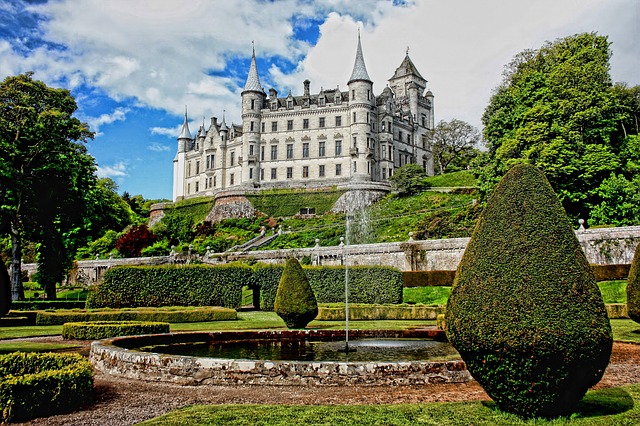
    Picture from: https://pixabay.com/en/dunrobin-castle-architecture-453164/


    [siteorigin_widget class=”InsertPagesWidget”][/siteorigin_widget]
    [siteorigin_widget class=”WC_Widget_Products”][/siteorigin_widget]
  • เคนเคฟเคฎเคพเคšเคฒ – เค…เคฐเฅเคฅเคตเฅเคฏเคตเคธเฅเคฅเคพ (Hindi)

    เคนเคฟเคฎเคพเคšเคฒ – เค…เคฐเฅเคฅเคตเฅเคฏเคตเคธเฅเคฅเคพ (Hindi)

    เค…เคฐเฅเคฅ เคตเฅเคฏเคตเคธเฅเคฅเคพ

    เคนเคฟเคฎเคพเคšเคฒ เคชเฅเคฐเคฆเฅ‡เคท เคเค• เค•เฅƒเคถเคฟ เคชเฅเคฐเคงเคจ เคชเฅเคฐเคฆเฅ‡เคท เคนเฅˆเฅค เคธเคจเฅ 1948 เคฎเฅ‡เค‚ เคนเคฟเคฎเคพเคšเคฒ เคฌเคจเคจเฅ‡ เคธเฅ‡ เคชเฅ‚เคฐเฅเคต เค‡เคธ เค•เฅเคทเฅ‡เคคเฅเคฐเคพ เค•เฅ‡ เคฒเฅ‹เค—เฅ‹เค‚ เค•เฅ‡ เค†เคฐเฅเคฅเคฟเค• เคตเคฟเค•เคพเคธ เค”เคฐ เคธเคฎเคพเคœ เค•เคฒเฅเคฏเคพเคฃ เค•เฅ‡ เคฒเคฟเค เค•เคฎ เคงเฅเคฏเคพเคจ เคฆเคฟเคฏเคพ เคœเคพเคคเคพ เคฅเคพเฅค เคคเคคเฅเค•เคพเคฒเฅ€เคจ เคฐเคฟเคฏเคพเคธเคคเฅ‹เค‚ เคฎเฅ‡เค‚ เคธเฅ‡ เค•เฅ‹เคˆ เคญเฅ€ เค†เคฐเฅเคฅเคฟเค• เคฐเฅ‚เคช เคธเฅ‡ เคธเฅเคฆเฅƒเฅ เคจเคนเฅ€เค‚ เคฅเฅ€เค‚เฅค เคฐเคฟเคฏเคพเคธเคคเฅ‹เค‚ เค•เฅ‡ เคทเคพเคธเค• เค…เคชเคจเฅ‡ เค•เฅเคทเฅ‡เคคเฅเคฐเฅ‹เค‚ เค•เฅ‹ เคตเคฟเค•เคธเคฟเคค เค•เคฐเคจเฅ‡ เค•เฅ€ เค‡เคšเฅเค›เคพ เคญเฅ€ เคจเคนเฅ€เค‚ เคฐเค–เคคเฅ‡ เคฅเฅ‡เฅค เคฐเคพเคœเคพ เคฒเฅ‹เค— เค…เคชเคจเฅ‡ เคฐเค‚เค—เฅ‹เค‚ เคฎเฅ‡เค‚ เคฐเค‚เค—เฅ‡ เคนเฅ‹เคคเฅ‡ เคฅเฅ‡ เค”เคฐ เคชเฅเคฐเคœเคพ เค•เฅ‡ เคชเฅเคฐเคคเคฟ เค‰เคจเค•เคพ เคตเฅเคฏเคตเคนเคพเคฐ เคชเฅเคฐเคพเคฏเคƒ เคจเค•เคพเคฐเคพเคคเฅเคฎเค• เคฅเคพ เค”เคฐ เคชเฅเคฐเคœเคพ เคฌเฅ‡เคšเคพเคฐเฅ€ เค…เคธเคนเคพเคฏ เคนเฅ‹เคคเฅ€ เคฅเฅ€เฅค เคฒเฅ‹เค— เค—เคฐเฅ€เคฌ เค”เคฐ เคธเคพเคงเฅเคจเคนเฅ€เคจ เคฅเฅ‡เฅค เคชเคฐเคฟเคตเคนเคจ เค•เฅ‡ เคธเคพเคงเฅเคจ เคจ เคนเฅ‹เคจเฅ‡ เค•เฅ‡ เค•เคพเคฐเคฃ เคตเฅ‡ เค–เฅ‡เคคเฅ‹เค‚ เคฎเฅ‡เค‚ เคชเฅˆเคฆเคพ เค•เคฟเค เค—เค เค…เคจเคพเคœเฅ‹เค‚, เคธเคฌเฅเคœเคฟเคฏเฅ‹เค‚, เคซเคฒเฅ‹เค‚ เคต เค…เคจเฅเคฏ เคตเคธเฅเคคเฅเค“เค‚ เค•เฅ‹ เคฌเคพเคœเคพเคฐ เคคเค• เคจเคนเฅ€เค‚ เคชเคนเฅเค‚เคšเคพ เคชเคพเคคเฅ‡ เคฅเฅ‡เฅค เค‰เคจเค•เฅ€ เค†เคฐเฅเคฅเคฟเค• เคธเฅเคฅเคฟเคคเคฟ เคฆเคฏเคจเฅ€เคฏ เคฅเฅ€เฅค เค…เค‚เค—เฅเคฐเฅ‡เคœเฅ‹เค‚ เคจเฅ‡ เคญเฅ€ เค…เคชเคจเฅ‡ เค…เคงเฅเฅ€เคจ เค•เฅเคทเฅ‡เคคเฅเคฐเฅ‹เค‚ เค•เฅ€ เค“เคฐ เคงเฅเคฏเคพเคจ เคจเคนเฅ€เค‚ เคฆเคฟเคฏเคพเฅค เคฒเฅ‹เค— เค…เคชเคจเฅ‡ เค—เฅเคœเคพเคฐเฅ‡ เค•เฅ‡ เคฒเคฟเค เค•เฅ‡เคตเคฒ เคœเคฎเฅ€เคจ เคชเคฐ เคนเฅ€ เคจเคฟเคฐเฅเคญเคฐ เคฐเคนเคคเฅ‡ เคฅเฅ‡เฅค เคฒเฅ‹เค—เฅ‹เค‚ เค•เฅ‡ เคชเคพเคธ เคฅเฅ‹เฅœเฅ€ เคฌเคนเฅเคค เค‰เคชเคœเคพเคŠ เคญเฅ‚เคฎเคฟ เคนเฅ€ เคนเฅ‹เคคเฅ€ เคฅเฅ€เฅค เค†เคฎ เค•เคฟเคธเคพเคจ เคชเคนเคพเฅœ เค•เฅ€ เคนเคฟเคฎเคพเคšเคฒ เค•เฅ‡ เค—เค เคจ เค•เฅ‡ เคชเคทเฅเคšเคพเคคเฅ เคชเฅเคฐเคฆเฅ‡เคท เค•เฅ‡ เคฒเฅ‹เค—เฅ‹เค‚ เค”เคฐ เคธเคฐเค•เคพเคฐ เคจเฅ‡ เค…เคชเคจเฅ€ เคคเคฅเคพ เคชเฅเคฐเคฆเฅ‡เคท เค•เฅ€ เค†เคฐเฅเคฅเคฟเค• เคธเฅเคฅเคฟเคคเคฟ เค•เฅ‹ เคฎเคœเคฌเฅ‚เคค เคฌเคจเคพเคจเฅ‡ เค•เฅ‡ เคฒเคฟเค เคชเฅเคฐเคฏเคพเคธ เค†เคฐเคฎเฅเคญ เค•เคฟเคเฅค เค†เคœ เคนเคฟเคฎเคพเคšเคฒ เค•เฅ€ เค†เคฐเฅเคฅเคฟเค• เค…เคตเคธเฅเคฅเคพ เค•เฅƒเคถเคฟ, เคฌเคพเค—เคตเคพเคจเฅ€, เคœเคฒ เคตเคฟเคฆเฅเคฏเฅเคค, เคธเฅœเค•เฅ‹เค‚ เค”เคฐ เคชเคฐเคฟเคตเคนเคจ เคชเคฐ เคชเฅ‚เคฐเฅเคฃเคคเคฏเคพ เค†เคงเคฐเคฟเคค เคนเฅˆเฅค

    เค•เฅƒเคถเคฟ

    เคนเคฟเคฎเคพเคšเคฒ เคชเฅเคฐเคฆเฅ‡เคท เค•เฅ‡ เคฒเฅ‹เค—เฅ‹เค‚ เค•เคพ เคฎเฅเค–เฅเคฏ เคตเฅเคฏเคตเคธเคพเคฏ เค•เฅƒเคถเคฟ เคนเฅˆเฅค 76 เคชเฅเคฐเคคเคฟเคทเคค เคœเคจเคธเค‚เค–เฅเคฏเคพ เค‡เคธ เคชเคฐ เคจเคฟเคฐเฅเคญเคฐ เคนเฅˆเฅค เคฏเคฆเคฟ เค‰เคจ เคฒเฅ‹เค—เฅ‹เค‚ เค•เฅ€ เคญเฅ€ เค—เคฟเคจเคคเฅ€ เค•เฅ€ เคœเคพเค เคœเฅ‹ เคชเคฐเฅ‹เค•เฅเคท เคฐเฅ‚เคช เคธเฅ‡ เค•เฅƒเคถเคฟ เคชเคฐ เคจเคฟเคฐเฅเคญเคฐ เคนเฅˆ เคคเฅ‹ เคนเคฎ เค•เคน เคธเค•เคคเฅ‡ เคนเฅˆเค‚ เค•เคฟ 92 เคชเฅเคฐเคคเคฟเคทเคค เคฒเฅ‹เค— เค…เคชเคจเฅ€ เค†เคœเฅ€เคตเคฟเค•เคพ เค‡เคธ เคฎเคนเคคเฅเคคเฅเคตเคชเฅ‚เคฐเฅเคฃ เคตเฅเคฏเคตเคธเคพเคฏ เคธเฅ‡ เคชเฅˆเคฆเคพ เค•เคฐเคคเฅ‡ เคนเฅˆเค‚เฅค เค•เฅƒเคถเคฟ เค•เฅ‡ เค•เคพเคฐเฅเคฏ เคธเฅ‡ เคฐเคพเคœเฅเคฏ เค•เฅ‡ เค˜เคฐเฅ‡เคฒเฅ‚ เค‰เคคเฅเคชเคพเคฆเคจ เคฎเฅ‡เค‚ 50 เคชเฅเคฐเคคเคฟเคทเคค เคทเฅ( เคฒเคพเคญ เคนเฅ‹เคคเคพ เคนเฅˆเฅค เค…เคฐเฅเคฅ เคตเฅเคฏเคตเคธเฅเคฅเคพ เคฎเฅ‡เค‚ เค•เฅƒเคถเคฟ เค•เฅ‡ เคฎเคนเคคเฅเคคเฅเคต เค•เฅ‹ เคธเคฎเฅเคฎเฅเค– เคฐเค–เคคเฅ‡ เคนเฅเค เค‡เคธ เค•เคพเคฐเฅเคฏ เค•เฅ‹ เคชเคพเค‚เคšเคตเฅ‡เค‚ เคฆเคทเค• เคธเฅ‡ เคนเฅ€ เคชเฅเคฐเคพเคฅเคฎเคฟเค•เคคเคพ เคฆเฅ€ เคœเคพเคจเฅ‡ เคฒเค—เฅ€เฅค เค…เคจเคพเคœ เค”เคฐ เคฆเฅ‚เคธเคฐเฅ€ เคจเค•เคฆเฅ€ เคซเคธเคฒเฅ‡เค‚, เคธเคฌเฅเคœเคฟเคฏเคพเค‚, เคคเคฟเคฒเคนเคจ, เค…เคฆเคฐเค• เค†เคฆเคฟ เค•เคพ เค…เคงเฅเค•เคฟ เค‰เคคเฅเคชเคพเคฆเคจ เคนเฅเค†เฅค เคนเคฟเคฎเคพเคšเคฒ เคชเฅเคฐเคฆเฅ‡เคท เคฎเฅ‡เค‚ เค…เคงเฅเค•เคฟเคคเคฐ เค•เฅเคทเฅ‡เคคเฅเคฐเคพ เคฆเฅเคฐเฅเค—เคฎ เคนเฅ‹เคจเฅ‡ เค•เฅ‡ เค•เคพเคฐเคฃ เคฏเฅ‹เค—เฅเคฏ เคจเคนเฅ€เค‚ เคนเฅˆเฅค เคตเฅ‡ เค•เฅ‡เคตเคฒ เคตเคจเฅ‹เค‚, เค˜เคพเคธเคจเคฟเคฏเฅ‹เค‚ เค”เคฐ เคšเคฐเคพเค—เคพเคนเฅ‹เค‚ เค•เฅ‡ เคฐเฅ‚เคช เคฎเฅ‡เค‚ เคชเฅเคฐเคฏเฅ‹เค— เคฏเฅ‹เค—เฅเคฏ เคนเฅˆเค‚เฅค เค•เฅ‡เคตเคฒ 11 เคชเฅเคฐเคคเคฟเคทเคค เคญเฅ‚เคฎเคฟ เคนเฅ€ เค•เฅƒเคถเคฟ เคฏเฅ‹เค—เฅเคฏ เคนเฅˆเฅค เค…เคšเฅเค›เฅ€ เคชเฅˆเคฆเคพเคตเคพเคฐ เคชเฅเคฐเคพเคชเฅเคค เค•เคฐเคจเฅ‡ เค•เฅ‡ เค‰เคฆเฅเคฆเฅ‡เคทเฅเคฏ เคธเฅ‡ เคชเฅเคฐเคฆเฅ‡เคท เคธเคฐเค•เคพเคฐ เค”เคฐ เค•เฅƒเคถเคฟ เคตเคฟเคญเคพเค— เคจเฅ‡ เค•เคพเคฐเฅเคฏเค•เฅเคฐเคฎ เคคเฅˆเคฏเคพเคฐ เค•เคฟเค เคคเคพเค•เคฟ เคฒเฅ‹เค—เฅ‹เค‚ เค•เฅ‹ เค…เคชเคจเฅ€ เคญเฅ‚เคฎเคฟ เคธเฅ‡ เคฆเฅ‹ เคธเฅ‡ เค…เคงเฅเค•เคฟ เคซเคธเคฒเฅ‡เค‚ เคชเฅเคฐเคพเคชเฅเคค เคนเฅ‹เค‚เฅค เค‡เคธ เคฆเคฟเคทเคพ เคฎเฅ‡เค‚ เค…เคชเฅ‡เค•เฅเคทเคพเค•เฅƒเคค เคชเฅเคฐเค—เคคเคฟ เคญเฅ€ เคนเฅเคˆ เคนเฅˆเฅค เค†เคฒเฅ‚ เค”เคฐ เคธเคฌเฅเคœเคฟเคฏเฅ‹เค‚ เค•เฅ‡ เคฌเฅ€เคœ เค•เฅ‡ เคฒเคฟเค เคนเคฟเคฎเคพเคšเคฒ เคชเฅเคฐเคฆเฅ‡เคท เคธเคฎเคธเฅเคค เคญเคพเคฐเคค เคฎเฅ‡เค‚ เคชเฅเคฐเคธเคฟ( เคนเฅˆเฅค เค–เคพเคฆเฅเคฏเคพเคจเฅ‹เค‚ เคฎเฅ‡เค‚ เคญเฅ€ เค‡เคธเฅ€ เคญเคพเคจเฅเคคเคฟ เค…เคšเฅเค›เฅ€ เค‰เคชเคฒเคฌเฅเคงเฅ เคนเฅ‹ เคฐเคนเฅ€ เคนเฅˆเฅค


    [siteorigin_widget class=”InsertPagesWidget”][/siteorigin_widget]

    เคœเคฒเคตเคพเคฏเฅ

    เคชเฅเคฐเค•เฅƒเคคเคฟ เคจเฅ‡ เคนเคฟเคฎเคพเคšเคฒ เคชเฅเคฐเคฆเฅ‡เคท เค•เฅ‹ เค•เฅƒเคถเคฟ เคฏเฅ‹เค—เฅเคฏ เคœเคฒเคตเคพเคฏเฅ เค”เคฐ เคญเฅŒเค—เฅ‹เคฒเคฟเค• เคตเคฟเคญเคฟเคจเฅเคจเคคเคพเค“เค‚ เคธเฅ‡ เคชเคฐเคฟเคชเฅ‚เคฐเฅเคฃ เคฌเคจเคพเคฏเคพ เคนเฅˆเฅค เคนเคฟเคฎเคพเคšเคฒ เคชเฅเคฐเคฆเฅ‡เคท เค•เฅ‡ เคจเคฟเคšเคฒเฅ‡ เค”เคฐ เค˜เคพเคŸเฅ€ เค•เฅเคทเฅ‡เคคเฅเคฐเฅ‹เค‚ เคฎเฅ‡เค‚ เคœเคนเคพเค‚ เค†เคฐเฅเคฆเฅเคฐ เค”เคฐ เคธเฅเคนเคพเคตเคจเคพ เคœเคฒเคตเคพเคฏเฅ เคนเฅ‹เคคเคพ เคนเฅˆ เคตเคนเฅ€เค‚ เคชเฅเคฐเคฆเฅ‡เคท เค•เฅ‡ เคŠเคชเคฐเฅ€ เค•เฅเคทเฅ‡เคคเฅเคฐเฅ‹เค‚, เคœเฅˆเคธเฅ‡ เค•เคฟเคจเฅเคจเฅŒเคฐ, เคฒเคพเคนเฅŒเคฒเคธเฅเคชเฅ€เคคเคฟ เค”เคฐ เคšเคฎเฅเคฌเคพ เค•เฅ€ เคชเคพเค‚เค—เฅ€ เคคเคนเคธเฅ€เคฒ เค†เคฆเคฟ เคฎเฅ‡เค‚ เคทเฅเคถเฅเค• เคœเคฒเคตเคพเคฏเฅ เคนเฅˆเฅค เค•เคนเฅ€เค‚ เคญเคพเคฐเฅ€ เคตเคฐเฅเคถเคพ เคคเฅ‹ เค•เคนเฅ€เค‚ เคฌเคฐเฅเคซ เค”เคฐ เค•เคนเฅ€เค‚ เคฌเคฟเคฒเฅเค•เฅเคฒ เคธเฅ‚เค–เคพ เคชเฅœเคพ เคฐเคนเคคเคพ เคนเฅˆเฅค เค”เคธเคคเคจ เคธเฅ‚เค–เฅ‡ เค•เฅเคทเฅ‡เคคเฅเคฐเฅ‹เค‚ เคฎเฅ‡เค‚ เคตเคพเคฐเฅเคถเคฟเค• เคตเคฐเฅเคถเคพ 25 เคธเฅ‡.เคฎเฅ€. เค”เคฐ เค•เคพเค‚เค—เฅœเคพ เค˜เคพเคŸเฅ€ เคฎเฅ‡เค‚ 250 เคธเฅ‡.เคฎเฅ€. เคนเฅ‹เคคเฅ€ เคนเฅˆเฅค เค‡เคธเคฎเฅ‡เค‚ เคธเฅ‡ เคฒเค—เคญเค— 75 เคชเฅเคฐเคคเคฟเคทเคค เคตเคฐเฅเคถเคพ เคœเฅ‚เคจ เคธเฅ‡ เคธเคฟเคคเคฎเฅเคฌเคฐ เคฎเคพเคน เคคเค• เคนเฅ‹เคคเฅ€ เคนเฅˆเฅค เคชเฅเคฐเคฆเฅ‡เคท เค•เฅ‹ เคœเคฒเคตเคพเคฏเฅ เค•เฅ€ เคตเคฟเคตเคฟเคงเฅเคคเคพ เค•เฅ‡ เคฒเคฟเค เค›เฅ‹เคŸเคพ เคญเคพเคฐเคค เค•เคนเคพ เคœเคพ เคธเค•เคคเคพ เคนเฅˆ, เค•เฅเคฏเฅ‹เค‚เค•เคฟ เคตเคฟเคญเคฟเคจเฅเคจ เคœเคฒเคตเคพเคฏเฅ เคฏเคนเคพเค‚ เคฆเฅ‡เค–เคจเฅ‡ เค•เฅ‹ เคฎเคฟเคฒเคคเฅ€ เคนเฅˆเฅค

    เคชเฅเคฐเคฆเฅ‡เคท เค•เฅ‡ เค…เคงเฅเค•เคฟเคพเค‚เคท เค•เฅเคทเฅ‡เคคเฅเคฐเฅ‹เค‚ เคฎเฅ‡เค‚ เคฎเคฟเคŸเฅเคŸรฐเฅ€ เค•เคพ เคชเฅเคฐเคพเค•เฅƒเคคเคฟเค• เคฐเฅ‚เคช เคฆเฅ‡เค–เคจเฅ‡ เค•เฅ‹ เคฎเคฟเคฒเคคเคพ เคนเฅˆเฅค เค•เคพเค‚เค—เฅœเคพ เคฎเฅ‡เค‚ เคเคธเคฟเคก เค•เฅ€ เคฎเคพเคคเฅเคฐเคพ เคตเคพเคฒเฅ€ เคฎเคฟเคŸเฅเคŸรฐเฅ€ เค•เฅ€ เคฌเคนเฅเคคเคพเคฏเคค เคนเฅˆเฅค เคญเฅ‚เคฎเคฟ เค•เฅ€ เคฎเคฟเคŸเฅเคŸรฐเฅ€ เคฎเฅ‡เค‚ เคญเฅ€ เคญเคฟเคจเฅเคจเคคเคพ เคนเฅˆเฅค เค…เคงเฅเค•เคฟ เคตเคฐเฅเคถเคพ เคตเคพเคฒเฅ‡ เค•เฅเคทเฅ‡เคคเฅเคฐเฅ‹เค‚ เคฎเฅ‡เค‚ เคšเคฟเค•เคจเฅ€ เคต เคฆเฅ‹เคฎเคŸ เค•เคฟเคธเฅเคฎ เค•เฅ€ เค”เคฐ เคŠเคชเคฐเฅ€ เค•เฅเคทเฅ‡เคคเฅเคฐเฅ‹เค‚ เค•เฅ€ เคฐเฅ‡เคคเฅ€เคฒเฅ€ เคฎเคฟเคŸเฅเคŸรฐเฅ€ เคนเฅ‹เคคเฅ€ เคนเฅˆเฅค เค•เฅƒเคถเคฟเคœเคฒเคตเคพเคฏเฅ เค•เฅ‡ เค†เคงเคฐ เคชเคฐ เคชเฅเคฐเคฆเฅ‡เคท เค•เฅ‹ เคšเคพเคฐ เค–เคฃเฅเคกเฅ‹เค‚ เคฎเฅ‡เค‚ เคตเคฟเคญเค•เฅเคค เค•เคฟเคฏเคพ เคœเคพ เคธเค•เคคเคพ เคนเฅˆเฅค

    1. เคทเคฟเคตเคพเคฒเคฟเค• เคชเคนเคพเฅœเฅ€ เค–เคฃเฅเคกเค‡เคธ เค–เคฃเฅเคก เคฎเฅ‡เค‚ เคคเคฒเคนเคŸเฅ€ เค”เคฐ เค˜เคพเคŸเฅ€ เค•เฅเคทเฅ‡เคคเฅเคฐเคพ, เคœเฅ‹ เคธเคฎเฅเคฆเฅเคฐ เคคเคฒ เคธเฅ‡ เคฒเค—เคญเค— 800 เคฎเฅ€เคŸเคฐ เค•เฅ€ เคŠเค‚เคšเคพเคˆ เคชเคฐ เคนเฅˆ, เคœเคฒเคตเคพเคฏเฅ เค…(เคฐเฅเคŠเคถเฅเคฃ เคนเฅ‹เคคเฅ€ เคนเฅˆเฅค เค‡เคธ เค–เคฃเฅเคก เคฎเฅ‡เค‚ เคชเฅเคฐเคฆเฅ‡เคท เค•เคพ 35 เคชเฅเคฐเคคเคฟเคทเคค เคตเคจเฅ‹เค‚ เค”เคฐ 33 เคชเฅเคฐเคคเคฟเคทเคค เค•เฅƒเคถเคฟ เคฏเฅ‹เค—เฅเคฏ เค•เฅเคทเฅ‡เคคเฅเคฐเคพ เค†เคคเคพ เคนเฅˆเฅค เคญเฅ‚เคฎเคฟ เคฆเฅ‹เคฎเคŸ เค•เคฟเคธเฅเคฎ เค•เฅ€ เคนเฅˆเฅค เคญเฅŒเค—เฅ‹เคฒเคฟเค• เคฌเคจเคพเคตเคŸ เค•เฅ‡ เค•เคพเคฐเคฃ เคชเฅ‚เคฐเฅ‡ เค•เฅเคทเฅ‡เคคเฅเคฐเคพ เคฎเฅ‡เค‚ เคœเค‚เค—เคฒ เค•เคนเฅ€เค‚เค•เคนเฅ€เค‚ เคนเฅ€ เค‰เค— เคธเค•เคคเฅ‡ เคนเฅˆเค‚เฅค เคœเคฒเคตเคพเคฏเฅ เคฎเฅ‡เค‚ เค†เคฐเฅเคฆเฅเคฐเคคเคพ เค•เฅ€ เค•เคฎเฅ€ เคนเฅ‹เคคเฅ€ เคนเฅˆเฅค เค‡เคธ เค•เฅเคทเฅ‡เคคเฅเคฐเคพ เคฎเฅ‡เค‚ เคตเคพเคฐเฅเคถเคฟเค• เคตเคฐเฅเคถเคพ เคฒเค—เคญเค— 150 เคธเฅ‡.เคฎเฅ€. เคคเค• เคนเฅ‹เคคเฅ€ เคนเฅˆ, เคœเคฟเคธเคฎเฅ‡เค‚ เคธเฅ‡ 75 เคชเฅเคฐเคคเคฟเคทเคค เค•เฅ‡เคตเคฒ เคฎเคพเคจเคธเฅ‚เคจ เคฎเฅ‡เค‚ เคนเฅ€ เคนเฅ‹เคคเฅ€ เคนเฅˆเฅค เค…เคจเคฟเคฏเคฎเคฟเคค เค”เคฐ เค…เคชเคฐเฅเคฏเคพเคชเฅเคค เคตเคฐเฅเคถเคพ เค•เฅ‡ เค•เคพเคฐเคฃ เคฌเคพเค•เฅ€ เคฎเฅŒเคธเคฎ เคฎเฅ‡เค‚ เคซเคธเคฒเฅ‹เค‚ เคชเคฐ เค•เฅเคชเฅเคฐเคญเคพเคต เคชเฅœเคคเคพ เคนเฅˆเฅค เคซเคธเคฒเฅ‡เค‚ เค…เคšเฅเค›เฅ€ เคจเคนเฅ€เค‚ เคนเฅ‹เคคเฅ€เฅค เค•เคŸเคพเคต เคตเคพเคฒเคพ เค•เฅเคทเฅ‡เคคเฅเคฐเคพ เคนเฅ‹เคจเฅ‡ เคธเฅ‡ เคชเคนเคพเฅœเฅ€ เคจเคพเคฒเฅ‹เค‚ เค†เคฆเคฟ เคธเฅ‡ เคญเฅ‚เคฎเคฟ เค•เคพ เค‰เคชเคœเคพเคŠเคชเคจ เคชเฅเคฐเคพเคฏเคƒ เคจเคถเฅเคŸ เคนเฅ‹เคคเคพ เคฐเคนเคคเคพ เคนเฅˆเฅค เค˜เคพเคŸเฅ€ เค•เฅ‡ เค•เฅเคทเฅ‡เคคเฅเคฐเฅ‹เค‚ เคฎเฅ‡เค‚ เคธเคฟเค‚เคšเคพเคˆ เคธเฅเคตเคฟเคง เคฏเคพ เคคเฅ‹ เคจเคพเคฒเฅ‹เค‚ เคธเฅ‡ เคชเคพเคจเฅ€ เค•เฅ‹ เคฎเคทเฅ€เคจเฅ‹เค‚ เคฆเฅเคตเคพเคฐเคพ เค‰เค เคพเค•เคฐ เค…เคฅเคตเคพ เค•เฅเค“เค‚ เค”เคฐ เคŸเคฏเฅ‚เคฌเคตเฅˆเคฒเฅ‹เค‚ เคคเคฅเคพ เคŸเฅˆเค‚เค•เฅ‹เค‚ เคฆเฅเคตเคพเคฐเคพ เค‰เคชเคฒเคฌเฅเคงเฅ เค•เคฐเคพเคˆ เค—เคˆ เคนเฅˆเฅค

    เคชเฅเคฐเคฎเฅเค– เคซเคธเคฒเฅ‡เค‚ เค—เฅ‡เคนเฅ‚เค‚, เคฎเค•เฅเค•เฅ€, เคงเคจ, เคšเคจเคพ, เค—เคจเฅเคจเคพ, เคธเคฐเคธเฅ‹เค‚ เค†เคฆเคฟ เค•เฅ€ เคนเฅˆเค‚ เคคเคฅเคพ เค†เคฒเฅ‚, เค…เคจเฅเคฏ เคธเคฌเฅเคœเคฟเคฏเคพเค‚ เค”เคฐ เคธเค‚เค—เคคเคฐเคพ, เค†เคฎ, เค…เคฎเคฐเฅ‚เคฆ, เคฒเฅ€เคšเฅ€ เค”เคฐ เคจเฅ€เคฎเฅเคฌเฅ‚ เคชเฅเคฐเคœเคพเคคเคฟ เค•เฅ‡ เคซเคฒ เค†เคฆเคฟ เค‰เค—เคพเค เคœเคพเคคเฅ‡ เคนเฅˆเค‚เฅค เคซเคธเคฒเฅ‹เค‚ เค•เคพ เค‰เคคเฅเคชเคพเคฆเคจ เคšเค•เฅเคฐ เคตเคฐเฅเคถเคพ เค•เฅ€ เคธเฅเคฅเคฟเคคเคฟ เค•เฅ‡ เค…เคจเฅเคธเคพเคฐ เคฎเค•เฅเค•เฅ€เค—เฅ‡เคนเฅ‚เค‚, เคšเคจเฅเคจเคพเคฎเค•เฅเค•เฅ€, เคฎเค•เฅเค•เฅ€เคธเคฐเคธเฅ‹เค‚เค—เคจเฅเคจเคพ เค†เคฆเคฟ เคนเฅˆเค‚เฅค เคซเคฟเคฐ เคญเฅ€ เคธเคฟเค‚เคšเคพเคˆ เค•เฅ€ เคธเฅเคฅเคฟเคคเคฟ เค•เฅ‡ เค…เคจเฅเคธเคพเคฐ เคจเคฟเคฎเฅเคจเคฒเคฟเค–เคฟเคค เคซเคธเคฒเฅ‹เค‚ เค•เคพ เคšเค•เฅเคฐ เคชเฅเคฐเคฏเฅ‹เค— เคฎเฅ‡เค‚ เคฒเคพเคฏเคพ เคœเคพเคคเคพ เคนเฅˆเคƒ

    1) เคฎเค•เฅเค•เฅ€เค—เฅ‡เคนเฅ‚เค‚, 2) เคฎเค•เฅเค•เฅ€เคคเฅ‹เคฐเคฟเคฏเคพเค—เฅ‡เคนเฅ‚เค‚, 3) เคฎเค•เฅเค•เฅ€เค†เคฒเฅ‚เค—เฅ‡เคนเฅ‚เค‚,ย  4) เคงเคจ เค—เฅ‡เคนเฅ‚เค‚,

    5) เคงเคจเคฌเคฐเคธเฅ€เคฎ เค”เคฐ 6) เคฎเค•เฅเค•เฅ€เคธเคฐเคธเฅ‹เค‚เค—เคจเฅเคจเคพ เค†เคฆเคฟ

    [siteorigin_widget class=”InsertPagesWidget”][/siteorigin_widget]

    2. เคฎเคงเฅเคฏ เคชเคนเคพเฅœเฅ€ เค–เคฃเฅเคกเคธเคฎเฅเคฆเฅเคฐ เคคเคฒ เคธเฅ‡ 800 เคฎเฅ€เคŸเคฐ เคธเฅ‡ เคฒเฅ‡เค•เคฐ 1600 เคฎเฅ€เคŸเคฐ เคคเค• เค•เฅ€ เคŠเค‚เคšเคพเคˆ เคตเคพเคฒเคพ เค•เฅเคทเฅ‡เคคเฅเคฐเคพ เคธเคฎเคทเฅ€เคคเฅ‹เคถเฅเคฃ เคœเคฒเคตเคพเคฏเฅ เค•เคพ เคนเฅˆเฅค เคตเคพเคฐเฅเคถเคฟเค• เคตเคฐเฅเคถเคพ เคฒเค—เคญเค— 180 เคธเฅ‡.เคฎเฅ€. เคคเค• เคนเฅ‹เคคเฅ€ เคนเฅˆเฅค เคตเคฐเฅเคถเคพ เค•เคพ 70 เคชเฅเคฐเคคเคฟเคทเคค เคญเคพเค— เคฎเคพเคจเคธเฅ‚เคจ เคฎเฅ‡เค‚ เคนเฅ‹เคคเคพ เคนเฅˆเฅค เคฎเคฟเคŸเฅเคŸเค เฅเค เฅ€ เคฆเฅ‹เคฎเคŸ เค”เคฐ เคšเคฟเค•เคจเฅ€ เคนเฅ‹เคคเฅ€ เคนเฅˆเฅค เค‡เคธ เค–เคฃเฅเคก เคฎเฅ‡เค‚ เคชเฅ‚เคฐเฅ‡ เคฐเคพเคœเฅเคฏ เค•เคพ เคฒเค—เคญเค— 32 เคชเฅเคฐเคคเคฟเคทเคค เคญเคพเค— เคตเคจเฅ‹เค‚ เค•เฅ‡ เค…เคงเฅเฅ€เคจ เค”เคฐ เคฒเค—เคญเค— 53 เคชเฅเคฐเคคเคฟเคทเคค เค•เฅƒเคถเคฟ เคฏเฅ‹เค—เฅเคฏ เค•เฅเคทเฅ‡เคคเฅเคฐเคพ เคนเฅˆเฅค เคธเคฟเค‚เคšเคพเคˆ เคจเคพเคฒเฅ‹เค‚, เค–เคกเฅเคกเฅ‹เค‚, เค•เฅ‚เคนเคฒเฅ‹เค‚ เคคเคฅเคพ เคŸเฅˆเค‚เค•เฅ‹เค‚ เคฆเฅเคตเคพเคฐเคพ เค•เฅ€ เคœเคพเคคเฅ€ เคนเฅˆเฅค เคœเคฒเคตเคพเคฏเฅ เคฎเฅ‡เค‚ เค†เคฐเฅเคฆเฅเคฐเคคเคพ เคชเฅเคฐเคพเคฏเคƒ เค•เคฎ เคนเฅ€ เคนเฅ‹เคคเฅ€ เคนเฅˆเฅค เค•เฅƒเคถเคฟ เค•เฅ‡ เค…เคคเคฟเคฐเคฟเค•เฅเคค เคœเคฎเฅ€เคจ เค•เคพ เคฌเฅœเคพ เคนเคฟเคธเฅเคธเคพ เค˜เคพเคธเคจเคฟเคฏเฅ‹เค‚ เค•เคพ เคนเฅˆเฅค เคฏเฅ‡ เค˜เคพเคธเคจเคฟเคฏเคพเค‚ เคชเฅเคฐเคพเคฏเคƒ เค‰เคคเฅเคคเคฐเฅ€ เค”เคฐ เคฆเค•เฅเคทเคฟเคฃเฅ€ เคขเคฒเคพเคจเฅ‹เค‚ เคชเคฐ เคนเฅ€ เคนเฅ‹เคคเฅ€ เคนเฅˆเค‚เฅค เคตเคจ เคชเฅเคฐเคพเคฏเคƒ เค‰เคคเฅเคคเคฐเฅ€เคชเฅ‚เคฐเฅเคตเฅ€ เคขเคฒเคพเคจเฅ‹เค‚ เคชเคฐ เคชเคพเค เคœเคพเคคเฅ‡ เคนเฅˆเค‚เฅค เค˜เคพเคธเคจเคฟเคฏเฅ‹เค‚ เคฎเฅ‡เค‚ เค…เคšเฅเค›เฅ€ เค•เคฟเคธเฅเคฎ เค•เคพ เค˜เคพเคธ เคจเคนเฅ€เค‚ เคนเฅ‹เคคเคพ เค•เฅเคฏเฅ‹เค‚เค•เคฟ เคธเคฐเฅเคฆเคฟเคฏเฅ‹เค‚ เคฎเฅ‡เค‚ เค เคฃเฅเคก เค…เคงเฅเค•เคฟ เคนเฅ‹ เคœเคพเคคเฅ€ เคนเฅˆเฅค เค—เคฐเฅเคฎเคฟเคฏเฅ‹เค‚ เคฎเฅ‡เค‚ เคธเฅ‚เค–เฅ‡ เค•เฅ€ เคธเฅเคฅเคฟเคคเคฟ เคฌเคจเฅ€ เคนเฅ‹เคคเฅ€ เคนเฅˆเฅค เค•เคฟเคธเคพเคจเฅ‹เค‚ เค•เฅ‹ เค˜เคพเคธเคจเคฟเคฏเฅ‹เค‚ เค•เฅ‡ เคเค• เคฌเฅœเฅ‡ เคญเคพเค— เคธเฅ‡ เค•เคฎ เคฒเคพเคญ เคนเฅ‹เคคเคพ เคนเฅˆเฅค เคฎเฅเค–เฅเคฏ เคซเคธเคฒเฅ‡เค‚ เคฎเค•เฅเค•เฅ€, เค—เฅ‡เคนเฅ‚เค‚, เคฎเคพเคท, เคœเฅŒ, เคธเฅ‡เคฎ เค”เคฐ เคงเคจ เค†เคฆเคฟ เคนเฅ‹เคคเฅ€ เคนเฅˆเค‚เฅค เคฏเคน เค–เคฃเฅเคก เคจเค•เคฆเฅ€ เคซเคธเคฒเฅ‡เค‚ เคชเฅˆเคฆเคพ เค•เคฐเคจเฅ‡ เค•เฅ‡ เคฒเคฟเค เค‰เคชเคฏเฅเค•เฅเคค เคนเฅˆเฅค เคฌเฅ‡เคฎเฅŒเคธเคฎเฅ€ เคธเค‚เคฌเฅเคœเคฟเคฏเคพเค‚, เค…เคฆเคฐเค• เค”เคฐ เคซเคฒเฅ‹เค‚ เคฎเฅ‡เค‚ เคจเคพเคทเคชเคพเคคเฅ€, เคชเฅเคฒเคฎ, เค–เฅเคฎเคพเคจเฅ€ เค”เคฐ เค…เค–เคฐเฅ‹เคŸ เค†เคฆเคฟ เคชเฅเคฐเคฎเฅเค– เคนเฅˆเค‚เฅค เค‡เคธ เค•เฅเคทเฅ‡เคคเฅเคฐเคพ เคฎเฅ‡เค‚ เค‰เคšเฅเคš เค•เคฟเคธเฅเคฎ เค•เฅ‡ เค—เฅ‹เคญเฅ€, เคฎเฅ‚เคฒเฅ€ เค•เฅ‡ เคฌเฅ€เคœ เคคเฅˆเคฏเคพเคฐ เค•เคฟเค เคœเคพเคคเฅ‡ เคนเฅˆเค‚เฅค

    3. เคŠเคชเคฐเฅ€ เคชเคนเคพเฅœเฅ€ เค–เคฃเฅเคกเคธเคฎเฅเคฆเฅเคฐ เคคเคฒ เคธเฅ‡ 1600 เคฎเฅ€เคŸเคฐ เคธเฅ‡ เค…เคงเฅเค•เคฟ เคŠเค‚เคšเคพเคˆ เคชเคฐ เคฏเคน เค–เคฃเฅเคก เค†เคคเคพ เคนเฅˆเฅค เคฏเคนเคพเค‚ เค•เคพ เคœเคฒเคตเคพเคฏเฅ เคธเฅ€เคฒเคจ เคญเคฐเฅ‡ เคคเคพเคชเคฎเคพเคจ เคตเคพเคฒเคพ เคคเคฅเคพ เคทเค‚เค•เฅ เค†เค•เคพเคฐ เค•เฅ€ เคชเคคเฅเคคเคฟเคฏเฅ‹เค‚ เคตเคพเคฒเฅ‡ เคตเฅƒเค•เฅเคทเฅ‹เค‚ เค•เฅ‡ เคœเค‚เค—เคฒเฅ‹เค‚ เคธเฅ‡ เคขเค•เคพ เคชเฅœเคพ เคนเฅˆเฅค เคฎเคฟเคŸเฅเคŸเค เฅเค เฅ€ เค…เคงเฅเค•เคฟเคคเคฐ เคšเคฟเค•เคจเคพเคชเคจ เคฒเคฟเค เคนเฅเค เคนเฅ‹เคคเฅ€ เคนเฅˆเฅค เค‡เคธ เค–เคฃเฅเคก เค•เคพ เคฒเค—เคญเค— 25 เคชเฅเคฐเคคเคฟเคทเคค เคญเคพเค— เคตเคจเฅ‹เค‚ เคธเฅ‡ เฅเค•เคพ เคนเฅเค† เคนเฅˆเฅค เค•เฅ‡เคตเคฒ 11 เคชเฅเคฐเคคเคฟเคทเคค เคญเคพเค— เคชเคฐ เค•เฅƒเคถเคฟ เค•เฅ€ เคœเคพเคคเฅ€ เคนเฅˆเฅค เคตเคพเคฐเฅเคถเคฟเค• เคตเคฐเฅเคถเคพ 100 เคธเฅ‡ 150 เคธเฅ‡.เคฎเฅ€. เคœเคฟเคธเคฎเฅ‡เค‚ เคธเฅ‡ 60 เคชเฅเคฐเคคเคฟเคทเคค เคตเคฐเฅเคถเคพ เค•เฅ‡เคตเคฒ เคตเคฐเฅเคถเคพ เคŸเฅเคŸเคคเฅ เคฎเฅ‡เค‚ เคนเฅ€ เคนเฅ‹เคคเฅ€ เคนเฅˆเฅค เคญเฅ‚เคฎเคฟ เค•เคŸเคพเคต เคšเคŸเฅเคŸเค เฅเค เคพเคจเฅ‡เค‚ เค–เคฟเคธเค•เคจเฅ‡ เค”เคฐ เคญเฅ‚เคฎเคฟ เค•เฅ‡ เค–เคฟเคธเค•เคจเฅ‡ เคธเฅ‡ เคนเฅ‹เคคเคพ เคนเฅˆเฅค เคชเคฐเคจเฅเคคเฅ เค…เคจเฅเคฏ เค–เคฃเฅเคกเฅ‹เค‚ เค•เฅ€ เค…เคชเฅ‡เค•เฅเคทเคพ เค•เคฎ เค•เคŸเคพเคต เคนเฅ‹เคคเคพ เคนเฅˆเฅค เค•เฅƒเคถเคฟ เคฏเฅ‹เค—เฅเคฏ เค•เฅเคทเฅ‡เคคเฅเคฐเคพ เคชเคนเคพเฅœเฅ‹เค‚ เค•เฅ€ เคŠเค‚เคšเคพเค‡เคฏเฅ‹เค‚ เคชเคฐ เคธเฅเคฅเคฟเคค เคนเฅˆเฅค เคธเคฟเค‚เคšเคพเคˆ เค•เฅ‡ เคธเคพเคงเฅเคจเฅ‹เค‚ เค•เฅ€ เค•เคฎเฅ€ เคนเฅˆเฅค เคฏเคนเคพเค‚ เค›เฅ‹เคŸเฅ‡ เคจเคพเคฒเฅ‹เค‚, เค–เฅเคฏเคธเฅเคคเฅเคฐเฅ‹เค‚ เค†เคฆเคฟ เคธเฅ‡ เคธเคฟเค‚เคšเคพเคˆ เค•เฅ€ เคœเคพเคคเฅ€ เคนเฅˆเฅค เคธเคพเคงเคฐเคฃเคคเคฏเคพ เค—เฅ‡เคนเฅ‚เค‚, เคœเฅŒ, เคฎเคŸเคฐ เคต เคฆเคพเคฒเฅ‡เค‚ เค†เคฆเคฟ เค•เฅ€ เคซเคธเคฒเฅ‡เค‚ เคนเฅ‹เคคเฅ€ เคนเฅˆเค‚, เค•เคนเฅ€เค‚เค•เคนเฅ€เค‚ เคฎเค•เฅเค•เฅ€ เคญเฅ€ เคชเฅˆเคฆเคพ เคนเฅ‹ เคœเคพเคคเฅ€ เคนเฅˆเฅค เคฏเคน เค•เฅเคทเฅ‡เคคเฅเคฐเคพ เค…เคšเฅเค›เฅ€ เค•เคฟเคธเฅเคฎ เค•เฅ‡ เคฌเฅ€เคœ เค†เคฒเฅ‚, เคธเคฌเฅเคœเคฟเคฏเฅ‹เค‚, เคธเฅ‡เคฌ, เค†เคกเฅ‚, เค–เฅเคฎเคพเคจเฅ€ เค”เคฐ เคจเคพเคทเคชเคพเคคเฅ€ เคœเฅˆเคธเฅ‡ เคซเคฒเฅ‹เค‚ เค•เฅ€ เคชเฅˆเคฆเคพเคตเคพเคฐ เค•เฅ‡ เคฒเคฟเค เค‰เคชเคฏเฅเค•เฅเคค เคนเฅˆเฅค

    4. เค เคฃเฅเคกเคพ เคทเฅเคถเฅเค• เค–เคฃเฅเคก เค‡เคธเค•เฅ‡ เค…เคจเฅเคคเคฐเฅเค—เคค เคฒเคพเคนเฅŒเคฒเคธเฅเคชเฅ€เคคเคฟ, เค•เคฟเคจเฅเคจเฅŒเคฐ เคœเคฟเคฒเฅ‡ เคคเคฅเคพ เคšเคฎเฅเคฌเคพ เคœเคฟเคฒเฅ‡ เค•เฅ‡ เคชเคพเค‚เค—เฅ€ เคคเคนเคธเฅ€เคฒ เค†เคคเฅ‡ เคนเฅˆเค‚ เคœเฅ‹ เคธเคฎเฅเคฆเฅเคฐ เคคเคฒ เคธเฅ‡ เคฒเค—เคญเค— 2700 เคฎเฅ€เคŸเคฐ เค•เฅ€ เคŠเค‚เคšเคพเคˆ เคชเคฐ เคธเฅเคฅเคฟเคค เคนเฅˆเฅค เค‡เคธ เค–เคฃเฅเคก เคฎเฅ‡เค‚ เคชเฅเคฐเคฆเฅ‡เคท เค•เฅ‡ เค•เฅเคฒ เค•เฅเคทเฅ‡เคคเฅเคฐเคพ เค•เคพ 6 เคชเฅเคฐเคคเคฟเคทเคค เคญเคพเค— เคตเคจเฅ‹เค‚ เคธเฅ‡ เคขเค•เคพ เคนเฅˆ เค”เคฐ 3 เคชเฅเคฐเคคเคฟเคทเคค เคนเฅ€ เค•เฅƒเคถเคฟ เคฏเฅ‹เค—เฅเคฏ เคนเฅˆเฅค เคชเฅ‚เคฐเคพ เค•เฅเคทเฅ‡เคคเฅเคฐเคพ เคทเฅเคถเฅเค• เคœเคฒเคตเคพเคฏเฅ เคตเคพเคฒเคพ เคนเฅˆเฅค เคตเคพเคฐเฅเคถเคฟเค• เคตเคฐเฅเคถเคพ 20 เคธเฅ‡.เคฎเฅ€. เค—เคฐเฅเคฎเคฟเคฏเฅ‹เค‚ เค•เฅ‡ เคฎเฅŒเคธเคฎ เคฎเฅ‡เค‚ เคนเฅ‹เคคเฅ€ เคนเฅˆ เค”เคฐ เคธเคฐเฅเคฆเคฟเคฏเฅ‹เค‚ เคฎเฅ‡เค‚ เคญเคพเคฐเฅ€ เคนเคฟเคฎเคชเคพเคค เคนเฅ‹เคคเคพ เคนเฅˆเฅค เค‡เคธ เค–เคฃเฅเคก เคฎเฅ‡เค‚ เค•เฅ‡เคตเคฒ เคเค• เคนเฅ€ เคซเคธเคฒ เค—เคฐเฅเคฎเฅ€ เค•เฅ‡ เคฎเฅŒเคธเคฎ เคฎเฅ‡เค‚ เค•เฅ€ เคœเคพเคคเฅ€ เคนเฅˆเฅค เคธเคฟเค‚เคšเคพเคˆ เค•เฅ‡เคตเคฒ เคชเฅเคฐเคพเค•เฅƒเคคเคฟเค• เคธเฅเคคเฅเคฐเฅ‹เคคเฅ‹เค‚ เคจเคฆเฅ€เคจเคพเคฒเฅ‹เค‚ เคธเฅ‡ เค•เฅ€ เคœเคพเคคเฅ€ เคนเฅˆเฅค เคญเฅ‚เคฎเคฟ เคฌเฅœเฅ€ เคจเคฐเคฎ เค•เคฟเคธเฅเคฎ เค•เฅ€ เค”เคฐ เค•เคนเฅ€เค‚เค•เคนเฅ€เค‚ เคšเคŸเฅเคŸเค เฅเค เคพเคจ เคตเคพเคฒเฅ€ เคนเฅ‹เคคเฅ€ เคนเฅˆเฅค เคœเคฟเคธเค•เฅ‡ เค•เคพเคฐเคฃ เคญเฅ‚เคฎเคฟ เค•เคพ เค•เคŸเคพเคต เคญเฅ‚เคฎเคฟ เค•เฅ‡ เค–เคฟเคธเค•เคจเฅ‡ เค”เคฐ เค—เฅเคฒเฅ‡เคทเคฟเคฏเคฐเฅ‹เค‚ เค•เฅ‡ เค•เคพเคฐเคฃ เคนเฅ‹เคคเคพ เคนเฅˆเฅค เคชเฅ‡เฅœเคชเฅŒเคงเฅเฅ‡ ;เคธเฅเคตเคฏเค‚ เคฐเฅ‹เคชเคฟเคคเคฆเฅเคง เคชเฅเคฐเคพเคฏเคƒ เคชเคพเคจเฅ€ เค•เฅ‡ เคจเคœเคฆเฅ€เค• เคนเฅ€ เคฎเคฟเคฒเคคเฅ‡ เคนเฅˆเค‚ เคœเคฟเคจเค•เคพ เค‰เคชเคฏเฅ‹เค— เคœเคฒเคพเคจเฅ‡ เคต เคชเคทเฅเค“เค‚ เค•เฅ‡ เคšเคพเคฐเฅ‡ เค•เฅ‡ เคฒเคฟเค เค•เคฟเคฏเคพ เคœเคพเคคเคพ เคนเฅˆเฅค

    เคธเคฟเค‚เคšเคพเคˆ เคตเฅเคฏเคตเคธเฅเคฅเคพ

    เค•เฅƒเคถเคฟ เค•เฅ‡ เค•เฅเคทเฅ‡เคคเฅเคฐเคพ เคฎเฅ‡เค‚ เคธเคฟเค‚เคšเคพเคˆ เค•เคพ เคฎเคนเคคเฅเคคเฅเคตเคชเฅ‚เคฐเฅเคฃ เคฏเฅ‹เค—เคฆเคพเคจ เคนเฅˆเฅค เคฌเคฟเคจเคพ เคธเคฟเค‚เคšเคพเคˆ เค•เฅ€ เคธเฅเคตเคฟเคง เค•เฅ‡ เคซเคธเคฒเฅ‹เค‚ เค•เฅ‹ เคชเฅˆเคฆเคพ เค•เคฐเคจเฅ‡ เคฎเฅ‡เค‚ เค•เคฟเคธเคพเคจ เคชเฅ‚เคฐเฅเคฃ เคฐเฅ‚เคช เคธเฅ‡ เค…เคธเคฎเคฐเฅเคฅ เคนเฅˆเฅค เค•เฅƒเคถเคฟ เค•เฅ‹ เคจเคฏเฅ‡เคจเคฏเฅ‡ เคตเฅˆเคœเฅเคžเคพเคจเคฟเค• เคขเค‚เค—เฅ‹เค‚ เคธเฅ‡ เค•เคฟเคฏเคพ เคœเคพ เคฐเคนเคพ เคนเฅˆ, เคฐเคพเคธเคพเคฏเคจเคฟเค• เค–เคพเคฆเฅ‡เค‚ เคชเฅเคฐเคฏเฅ‹เค— เคฎเฅ‡เค‚ เคฒเคพเคˆ เคœเคพ เคฐเคนเฅ€ เคนเฅˆเค‚, เคจเคฏเฅ‡ เคฌเฅ€เคœ เคฌเฅ‹เคฏเฅ‡ เคœเคพเคคเฅ‡ เคนเฅˆเค‚, เค…เคคเคƒ เคฏเฅ‡ เคธเคญเฅ€ เคธเคฟเค‚เคšเคพเคˆ เค•เฅ‡ เคธเคพเคฅ เคธเฅ€เคงเฅเฅ‡ เคฐเฅ‚เคช เคธเฅ‡ เคœเฅเฅœเฅ‡ เคนเฅเค เคนเฅˆเค‚เฅค เคนเคฟเคฎเคพเคšเคฒ เคชเฅเคฐเคฆเฅ‡เคท เคฎเฅ‡เค‚ เคชเฅเคฐเคพเคฏเคƒ เคธเฅ€เฅเฅ€เคจเฅเคฎเคพ, เคขเคฒเคพเคจเคฆเคพเคฐ เคต เค›เฅ‹เคŸเฅ‡ เค–เฅ‡เคค เคชเคพเค เคœเคพเคคเฅ‡ เคนเฅˆเค‚เฅค เค…เคคเคƒ เคธเคฟเค‚เคšเคพเคˆ เค•เฅ€ เคชเคฐเคฟเคฏเฅ‹เคœเคจเคพเคเค‚ เคธเฅ€เคฎเคฟเคค เคนเฅˆเค‚เฅค เคเคธเฅ€ เคธเฅเคฅเคฟเคคเคฟ เคฎเฅ‡เค‚ เค›เฅ‹เคŸเฅ€ เคธเคฟเค‚เคšเคพเคˆ เคฏเฅ‹เคœเคจเคพเคเค‚ เคนเฅ€ เคธเคซเคฒ เคนเฅˆเค‚เฅค เคชเฅเคฐเคฆเฅ‡เคท เค•เฅ‡ เคฒเค—เคญเค— เคธเคญเฅ€ เคœเคฟเคฒเฅ‹เค‚ เคฎเฅ‡เค‚ เค•เฅ‚เคนเคฒเฅ‡เค‚ เคนเฅ€ เคธเคฟเค‚เคšเคพเคˆ เค•เคพ เคชเฅเคฐเคฎเฅเค– เคธเคพเคงเฅเคจ เคนเฅˆ เค”เคฐ เคฒเค—เคญเค— 95 เคชเฅเคฐเคคเคฟเคทเคค เค•เฅเคทเฅ‡เคคเฅเคฐเคพ เค•เฅ‹ เค•เฅ‚เคนเคฒเฅ‹เค‚ เคฆเฅเคตเคพเคฐเคพ เคนเฅ€ เคธเฅ€เค‚เคšเคพ เคœเคพเคคเคพ เคนเฅˆเฅค เค•เฅ‚เคนเคฒเฅ‹เค‚ เค•เฅ‹ เคชเคนเคพเฅœ เค•เฅ‡ เคธเคพเคฅเคธเคพเคฅ เคฌเคจเคพเคฏเคพ เคœเคพเคคเคพ เคนเฅˆ เคœเคฟเคจเค•เฅ‡ เคฎเคพเคงเฅเคฏเคฎ เคธเฅ‡ เคจเคพเคฒเฅ‹เค‚ เค†เคฆเคฟ เค•เฅ‡ เคชเคพเคจเฅ€ เค•เฅ‹ เค–เฅ‡เคคเฅ‹เค‚ เคคเค• เคชเคนเฅเค‚เคšเคพเคฏเคพ เคœเคพเคคเคพ เคนเฅˆเฅค เคฒเคพเคนเฅŒเคฒเคธเฅเคชเฅ€เคคเคฟ เคฎเฅ‡เค‚ เคชเฅ‚เคฐเฅ‡ เค•เฅเคทเฅ‡เคคเฅเคฐเคพ เค•เฅ‹ เคฌเฅ€เคœเคจเฅ‡ เคธเฅ‡ เคชเฅ‚เคฐเฅเคต เคธเฅ€เค‚เคšเคพ เคœเคพเคคเคพ เคนเฅˆเฅค เคšเคฎเฅเคฌเคพ เคœเคฟเคฒเคพ เคฎเฅ‡เค‚ เคชเคพเค‚เค—เฅ€ เคคเคนเคธเฅ€เคฒ เค”เคฐ เค•เคฟเคจเฅเคจเฅŒเคฐ เคœเคฟเคฒเฅ‡ เค•เฅ‡ เค•เฅเคทเฅ‡เคคเฅเคฐเฅ‹เค‚ เคฎเฅ‡เค‚ เคญเฅ€ เคเคธเคพ เคนเฅ€ เค•เคฟเคฏเคพ เคœเคพเคคเคพ เคนเฅˆเฅค เคฌเคฟเคจเคพ เคธเคฟเค‚เคšเคพเคˆ เค•เฅ‡ เคฏเคนเคพเค‚ เค˜เคพเคธ เคญเฅ€ เคจเคนเฅ€เค‚ เคนเฅ‹ เคชเคพเคคเคพเฅค

    [siteorigin_widget class=”WC_Widget_Products”][/siteorigin_widget]
  • Himachal Pradesh – Mountains and Ranges – A Quick Review

    Himachal Pradesh – Mountains and Ranges – A Quick Review

    Shivalik Hills

    This range is situated between 610 to 1,115 feet above the mean sea level. In this chain, the mountains are located in lower parts of Sirmour, Bilaspur, Una and Kangra districts. This hill chain has been extended upto Dehradun, Saharanpur and Haridwar.

    Pir Panjal

    It is also known as the mid-Himalayas and is called the Pangi range in common parlance. It is the longest chain in small Himalayas, which originates from Brihad Himalayas passing through Satluj on the one hand, separates Chenab, Ravi and Beas rivers. At the origin of Ravi this chain of mountains appears to be bending towards Dhauladhar. Rohtang Pass is one of the important mountains in this chain. The height of the Pir Panjal from the mean sea level is between 3,960-5,460 metres. Human dwelling can be seen even at this height. After this there is no sign of human settlements. Pir Panjal separates Kullu from Lahaul-Spiti. It enters Chamba territory on the Western border of Bara Bangahal. Pangi forms a second mountain barrier with magnificent snowy peaks, some of which reach an altitude of 19,000 feet or so. The mean elevation of the peaks is not less than 17,000 feet.

    Churdhar

    The said peak with an elevation of 3,647 metres above the mean sea level is one of the highest summits among the mountains which occupy this sub-Himalayas tract. The view from its summit embraces a vast panorama of lowland tracts on the south and a wide vista of the snowy range to the north. Churdhar range is covered with dense forests of deodar and other conifer trees.

    Brihand Himalaya

    This chain of mountains runs with the Eastern boundary of Himachal Pradesh. The height of this range runs between 5,000-6,000 metres from the mean sea level. The river Satluj also passes through this chain of mountain. The flow of Spiti River into Satluj is also cut by this chain. The important passes in this range are Kangal, Baralacha, Kunjam, Parangala and Pin-Parbati ranges.

    Zanskar Range

    This is also known as the Inner Himalayas Range. It not only separates Spiti and Kinnaur from Tibet but also is a eastern boundary of Himachal Pradesh. The Satluj River also divides the Zanskar range at Sipki. The highest hill mountains of Shilla (7,026 meters) in Himachal Pradesh also falls in Zaskar range. The mean altitude is about 18,000 feet and some of the peaks rise to about 20,000 feet.

    Kailash Mountain

    This again falls in Chini village which is the old name for Kinnaur. During certain seasons music is heard on Koksar. It is believed that the smallest of the peaks which can be seen from Chini a pool surrounded by mountains, where lies a temple of Shiva. Rocks are visible from a certain point from Chini, which turnsย  tinted white at sun rise, red at mid-day and green at sun set.

    The Hathi Dhar

    It is a low range, running parallel to sourth of the Dhauladhar at a distance of about 10 miles. The highest peak in this Dhar is 5,256 feet in the inner ridge of the Shivalik area. It maintains almost nearly unbroken course from the Rihlu area in Kangra to Ravi River. Near its eastern proximity a spur from the Dhauladhar joins it, almost at right angles, forming the boundary between Chamba and Rihlu. Hathi Dhar also separates Chamba from Kangra.

    Bahadurpur Dhar

    This dhar lies in the eastern most part of the district. The highest point of this range is 6,164 feet above the mean sea level. It was on this dhar that Bahadur Fort stands. The Ali Khad divides this hill into two parts. Raja Bijai Chand had his summer abode constructed near the Bahadurpur Fort. This is the highest peak in Bilaspur district.

    Bandla Dhar

    This is in Bilaspur district and its length is about 17 kilometres. The Ali “Khad” had broken into two parts and its highest peak has an altitude of 1,375 metres from the mean sea level.

    The Dagani Dhar

    It forms the boundary between Chamba and Bhadrawah in Jammu. Geographically Dagani Dhar and Chatar Dhar are different sections of one continuous offshoot forming with the Pangi range, the water shed between Ravi and the Chander Bhaga.

    Ratanpur Hill

    This range is about 11 kilometres long and the Ratanpur Fort lies on it at an elevation of about 1,230 metres. It was from this fort that General Ochterlony inflicted defeat on Amar Singh Thapa, the Gurkha leader.

    Naina Devi Dhar

    This range runs for 30 kilometres in length as the Satluj River has cuts way through it near Bhakra Parganas of Kot Kehlur and Fatehpur lie on this range.
    Koti-ki-Dhar, Janghar Dhar and Tiun Dhar- These dhars lie in Bilaspur district on its south-west.

    Sri Khand

    This mountain is situated at a height of 18,626 feet in the Pandra-Bis pargana in Shimla district. On this there is an image of Shiva on its summit. There is a stone under which offerings are made by pilgrims.

    The Central Himalayas

    The Passes of Pir Panjal Range (Central Himalaya) (Pangi Valley)

    Pangi valley is one of the beautiful valley of Himachal Pradesh and lies 33006’N and 76024’E and is at a distance of about 137 kilometres north east of Chamba. This valley is famous for its grandeur and majesty. Pangi valley lies between the two parallel mountain ranges of Great Himalayan range and the outer Himalayan range. This mighty range offers the commanding views from Dalhousie, one of the hill resorts of Himachal Pradesh. The crest of the range is mostly covered in deep snow. The only access from Chamba side to this valley is over Saach pass (4,390 metre) which remains open from May until November during the year. Pangi valley is now connected by road from Keylong and Udaipur in the Pattan Valley. Killar the headquarters of Pangi Valley, is also connected by road from Jammu and Udhampur.

    The access from Lahaul and Spiti is over Purthi and Saach villages after crossing suspension bridge over Chandra and Bhaga river at Raoli. Both these passes are easier as compared to the other passes of Pir Panjal. There are, however more than twelve passes on this mighty range connected with Chamba and Lahaul valleys. The prominent passes are Drati (4,292 metres), Marhu (4,365 metres), Keyon (4,828 metres), Cheni (4,425 metres), Saach (4,390 metres), Laluni (5,338 metres) and Duggi Pass (5,080 metres) Other very popular passes of Pir Panjal heading towards Lahaul and Spiti valley from Bharmour (Chamba district) are Kugti (5040 metres), Chobia (4966 metres), and Kalichho Pass (4,990 metres). Pangi is known for its un-spoilt and distinct culture. The principle deity of Pangi valley is Mindla Devi, which is worshipped by all Pangwals. Pangi valley has one of the biggest forest cover of Himachal Pradesh. The valley is treasure of herbal plants, dry fruits and rare botanical species. The valley also presents a unique glimpse of its rich flora and fauna. Rare herbal plants like Kuth, Pateesh, Panja, Guchhi, Sheelajit, Kahru, Patti, Guggal Dhoop and Kala Zeera are grown in abundance. Dry fruits like Thangi, Chilgoza, Walnut, Almond, Khumani, Piyanth, Plums, Zamun, Strawberry and Apples are produced in plenty.

    [siteorigin_widget class=”InsertPagesWidget”][/siteorigin_widget]

    Peaks around Dharamshala/Dhauladhar

    There are number of peaks in this region. The heights of these peaks vary between 4,500 metres to 5,000 metres. The peaks Dhauladhar, Matter horn or Gauri Junda (4,916 metres) is located to north east of Dharamshala and is the highest peak is Dharamshala. The other prominent peaks are Slab (4,560 metres), Rifflehorn (4,500 metres), Two Gun (4,490 metres), Camel (4520 metres), Authur Seat (4,525 metres) and Chirsmas (4,581 metres). These peaks are accessible almost throughout the year. The other peak is Mun peak (4610 metres).

    Gaj Pass (4,243 metres)

    Gaj Pass is located to the left side of the Bhim Ghasutri Pass (4,580 metres). If one walks to the right of the Gaj Pass, one can visit a very beautiful small round lake called Chanderkup or the moon lake; located almost on the top of the ridge. One can further descend through a bouldered trek to reach Lama Dal.

    Sari Pass (3,760 metres)

    Sari Pass is not very high. Sari “nullah” meanders in between the valley and finally mingles with Beas river at Kullu.

    Indrahara Pass (4,350 metres)

    Indrahara Pass is accessible from May until November. This pass provides a very scenic view of both Kangra and Chamba valleys and offers distant view of the middle and Greater Himalayas. There are a number of peaks like Dromedary, Camel, Two Guns, Rifle Horn, Cairn, Slap, Arthur’s Seat and Arthur’s Stool and Mun to both sides from Indrahara Pass. On the Pass are few Trisuls offered by the devotees of Lord Shiva to Indra (the rain God).

    Minkiani Pass (4,250 metres)

    Kareri Lake is at the foothill of Minkiani Pass and to the left side of the lake the trek goes to Bleni Pass (3,710 metres). One can approach the Minkiani Pass through steady and stiff climbing over snowy and steep rocks.

    Bleni Pass (3,710 metres)

    Bleni Pass is situated left of the Kareri Lake. The Bleni pass is at a low altitude and is an easier Pass. Mighty Dhauladhar range declines in altitude to a considerable degree towards northwest beyond Bleni Pass. This snow-clad mountain range turns into a thickly wooden ridge affording an easy access over its passes, like Salooni; Bohar, Loa and Kalinali (all in jurisdiction of Chamba district) with a mean elevation of 3,000 metres to 3,500 metres towards Ravi valley. The Dhauladhar in its westward reach separates Kangra from Chamba and ultimately descends to the southern banks of Ravi near Dalhousie.

    Bhimghasutri Pass (4,580 metres)

    Bhimghasutri is a different pass of the Dhauladhar range located to the north of Dharamshala. The ascent to this pass is vertical with sharp rocky cliffs and dangerous gorges. This pass stands between Riffle Horn peak and Gag pass. Legend has it that Bhimghasutri Pass was named in the memory of Bhima. (one of the Pandvas brothers) who glissed the sharp-edged ridged of this pass to leave an even path for the rest of his brothers.

    Kundli Pass (4,550 metres)

    Kundli Pass lies at an elevation of 4,550 metres and it stands between Mun Peak (4,650 metres) and Toral Pass (4,375 metres) facing Dharamshala. The ascent to the pass is steep from Dharamshala side and moderate from Kwarsi village (Chamba district). The shape of the pass is like snake coil or kundli” hence it is named the Kundli Pass.

    Toral Pass (4,375 metres)

    Toral Pass lies to the northeast of Dharamshala. This pass stands to the right side of the Kundli Pass. The ascent to the pass is demanding and involves crossings over many steep ridges below which lie deep gorges. While crossing through this pass, Gaddis always pay their obseisance to Toral Devta (a deity), whose abode is at the top of the pass. One goat is reserved to be sacrificed in the name of Kailashpati (Lord Shiva) for bestowing peace.

    Talang Pass (4,643 metres)

    Talang Pass is one of the highest and difficult passes on the Dhauladhar range. This pass is located at the head of the Ban Ganga river and north of the main Chamunda temple between Narwana, Jia and Holi. This pass rises abruptly from an elevation of 2,500 metre to 4,643 metre. The name of this pass is derived from a deity Talang whose abode is supposedly at the top of the pass and who is largely worshipped by the local people.

    Waru Pass (3,850 metres)

    Waru Pass lies to the east of Palampur. Waru means, “Gateway of wind” and winds with very high velocity blow over the pass. Satchalli is at the foothill below Waru Pass and enroute to the pass all vegetation comes to an end from Satchalli, the pass involves a steep climb.

    Singhar Pass (4,473 metres)

    Singhar Pass lies to the north of Waru Pass. This pass is one of the difficult passes of the Dhauladhar range. Through the pass one can cross over to Mani Mahesh and Lahaul-Spiti. Singhar, the “Killer” according to the local people is very unpredictable pass and one cannot be sure of weather conditions on it.

    Chobu Pass (4,750 metres)

    From Chobu Pass one can view the Kailash Peak (5,656 metre) and surrounding ridges. Manimahesh lake is also visible from this pass. From the pass, the route goes downward to the base of the Kailash peak.

    Thamsar Pass (4,704 metres)

    Thamsar Pass is known for mid-day winds and bad weather. Gaddis flocks enter from this route to cross Thamsar Pass to Bara Bangahal.

    Makori Pass (4,444 metres)

    Makori Pass lies between Barot and Bara Bangahal. Makori pass is less frequented in comparison to other passes of the Dhauladhar. From Makori pass the terrain is trackless.

    Saach Pass (4,390 metres)

    Broadly speaking from Chamba side inlet to Pangi valley is over thin pass. Satrundhi is situated at the foothill of Saach pass.

    Kalichho Pass (4,990 metres)

    Kalichho,”The abode of Goddess Kali,” is one of the difficult passes in the Pir Panjal range. One can cross over to Kalichho Pass from Bharmour to Trilokinath (Udaipur). Ideal time to cross this pass is from July to October end. While descending the Kalichho Pass one can behold the Pattan Valley with meandering Chandra-Bhaga river and beautiful snow-capped mountains.

    Chobia Pass- (4,966 metres)

    Chobia Pass is one of the difficult passes of the Pir Panjal range. This pass stands between Bara Kanda Peak (5,877 metres) and Tent Peak (6,133 metres). Chobia is the last village inhabited
    Kugti Pass (5,040 metres)- Kugti Pass is a tough pass of the Pir Panjal range because of its high elevation and steep gradient. Kugti means, “that which makes one miserable to reach it”. If weather deteriorates while negotiating the pass, the climb becomes dangerous due to sudden drop in temperature, poor visibility and snow storms. From the pass, one can see the snow capped mountains to the far end towards Lahaul and Zanskar.

    Kalihen Pass (4,670 metres)

    It is a high pass but not difficult. This pass was used by the local Gaddis on their way to Kullu. Gwari is situated at the foothills of Kalihen Pass where the Kalihen stream originates and joins the Ravi river near Bara Bhangahal.

    Tentu Pass (4,990 metres)

    Tentu Pass is situated above Manali at an altitude of 4,990 metres) above sea level. From the pass, one can see the views of Central Lahaul Peaks, Indrasaan and Deo Tibba. One can have a clear view of Pir Panjal and Dhauladhar range from Tentu Pass and there is route to go to Bara Bhangahal from here.

    Sara Umga Pass (5,010 metres)

    This pass lies towards north east of Bhuntar and one can reach to Keylong over Sara Umga Pass from Manikaran. On the way are Budhaban and Losha Thatch. One can have the close views of the Ali Ratni Tibba, located on the Pir Panjal range. On the route of this pass one can see Bara-Shigri glacier one of the biggest glacier in Himachal Pradesh.

    Pin Parbati Pass (4,802 metres)

    This is one of the most rugged and difficult passes having very steep ascent and is beyond habitation after Pulga. From this pass one can reach to spiti. This is the only route that connects Kullu valley with the Pin valley of Spiti, the shortest route.

    Hamta Pass (4,480 metres)

    This pass is not very high. One can start to Hamta Pass from Prini Village only 4 kilometres from Manali to Keylong and on the way lies Hamta Pass. This pass offers distant views of the Central and Great Himalayan ranges. The views towards the peaks around Lahaul, Manali and Kullu areas are captivating.

    Asha Gali Pass (5,830 metres)

    Asha Gali Pass is situated on the way to Keylong, Manimahesh and Bharmour side. The pass offers magnificent views towards Chamba Kailash (5,656 metres) and Bharmour region.
    Shingo La (5,100 metres)- Shingo La lies between Chhumik Nakpo and Lakong and it is a difficult pass.

    Mon La Pass (5,460 metres)

    The pass can be approached from Miyar valley along the Miyar Nullah. This beautiful valley is extended upto Urgus and Khanjar. One has to cross Mon La or Kang La to enter Padum.

    Baralacha Pass (4,896 metres)

    Baralacha is connected by Manali-Leh road. This is the only pass, which gives rise to Chandra, Bhaga and Yunam rivers. At this Junction, one leaves Chandra valley and enters into Bhaga valley. From Baralacha the route proceeds along the left bank of Yunam river.

    Rangcha Gali Pass (4,536 metres)

    Rangcha Gali Pass lies between Keylong and Khoksar. Local people believe that Guru Ghantapa one of the 84 sidhas of Buddhism attained sidhi at this place. From the pass it is a steep descent to Gondhala.
    Lach Lang La- From Gyam a very steep climb is followed upto the pass. The whole area is rugged and barren without any meadows and grass on the surface.

    Kang La (5,460 metres)

    This is very tough and taxing La. This pass, like other passes, offers significant views of the great Himalayan ranges. The trek to the side of the pass has a very steep descent. One can approach Kang La from Phalaphu.

    Shin Kun La

    This pass lies between Darcha and Padum. The descent after the pass is torturing.

    Nimish Khango Pass (4,890 metres)

    This pass falls in the restricted zone of Spiti valley and is a site for the hydro electric generation power house. It lies between Kaza and Kalpa.

    Panktil Pass (4,010 metres)

    From Rang Bar (Spiti valley) a tough climb of about 5 kilometres leads upto Panktil Pass. One can enjoy the panorama of Rupa and Chuktyanjan river that flows down from the north west. One can also see Manirang and Singikhang peaks also form a part of the drainage of the Himalayas.


    [siteorigin_widget class=”InsertPagesWidget”][/siteorigin_widget]
    [siteorigin_widget class=”WC_Widget_Products”][/siteorigin_widget]